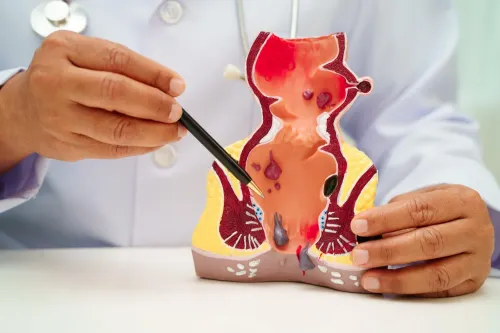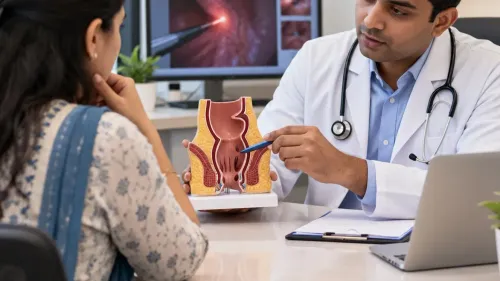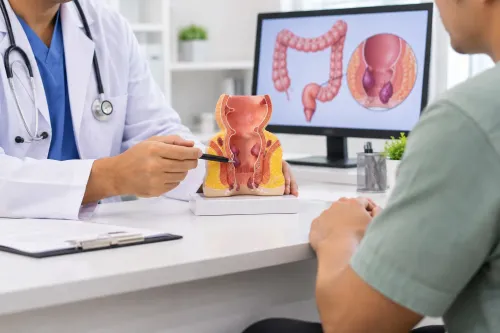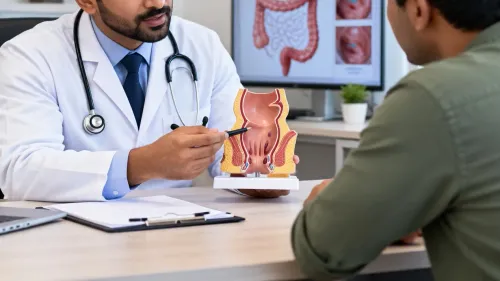
Recurring bleeding, itching, pain or a lump often reflects a bowel habit that keeps irritating the anal veins, but not every episode of rectal bleeding is caused by piles. You will learn which daily changes reduce recurrence risk, what to track, and when lifestyle management needs a specialist’s examination or a procedure.
Key takeaways
- Confirm haemorrhoids before treating recurring rectal bleeding.
- Use fibre, fluids and a regular toilet routine to reduce straining.
- Avoid prolonged toilet sitting, constipation and repeated diarrhoea.
- Discuss procedures when bleeding, prolapse or pain persists despite lifestyle changes.
Can lifestyle changes genuinely reduce piles symptoms?
A piles specialist must first confirm that haemorrhoids caused your haemorrhoid symptoms. Rectal bleeding can also result from an anal fissure, inflammatory bowel disease, polyps or colorectal cancer, so persistent, unexplained or atypical bleeding needs diagnostic review rather than repeated self-treatment.
For confirmed symptomatic haemorrhoids, these first-line measures can reduce bleeding, discomfort and persistent symptoms:
- Increase dietary fibre gradually through vegetables, fruit, beans and whole grains.
- Drink enough fluid to help produce softer stools.
- Reduce straining and respond promptly to the urge to pass stool.
- Improve toilet habits by raising your knees with a footstool and avoiding prolonged toilet sitting.
These steps support piles recurrence prevention, but they do not reliably remove a large prolapsing haemorrhoid, a thrombosed haemorrhoid or advanced disease that remains outside the anus. Persistent prolapse or bleeding needs reassessment; lifestyle changes are not a substitute for treatment when the physical problem remains.
Seek urgent assessment for heavy or continuous rectal bleeding, severe pain, fever, dizziness or a new painful lump. A painful lump can indicate thrombosis, while fever with worsening pain or swelling needs evaluation for infection.
The same caution applies when symptoms do not improve after a consistent lifestyle programme: confirm the diagnosis before assuming that “recurrence” is piles.
What daily bowel routine lowers recurrence risk?
A bowel routine lowers recurrence risk by producing a soft, formed stool that passes without straining—not by chasing the highest possible fibre intake. Increase dietary fibre for piles gradually through vegetables, fruit, beans, whole grains and other fibre-rich foods; a sudden increase can cause gas, cramps and bloating.
- Add one fibre-rich serving every few days, then continue if stools remain comfortable.
- Add psyllium when diet alone is insufficient. Start with a small dose and increase it slowly to limit bloating, following the product directions or your clinician’s advice.
- Maintain adequate fluid intake to support softer stools, but do not force excessive amounts of water.
- Respond to the urge to pass stool instead of delaying it.
- Use a footstool for toileting posture so your knees sit higher than your hips.
- Avoid repeated pushing. If stool does not pass easily, leave the toilet and try again when the urge returns.
- Do not sit on the toilet to read or use your phone; prolonged toilet sitting increases pressure around haemorrhoids.
- Walk regularly or choose another physical activity, and take breaks from prolonged sitting during the day.
The useful test is comfort: stool should be soft, formed and easy to pass. A warm sitz bath can soothe an acute painful episode, but it is not a proven recurrence-prevention method. Prevention depends more on stool consistency and toileting behaviour.
Which triggers and mistakes can keep symptoms returning?
Recurring symptoms need a bowel-pattern plan, not an automatic increase in fibre or laxatives.
| Pattern | What can aggravate symptoms | What to review |
|---|---|---|
| Constipation and piles | Hard stools, repeated straining and dry wiping can traumatise haemorrhoids. | Stool-softening measures, toilet habits and medicines that cause constipation |
| Diarrhoea and haemorrhoids | Frequent stools, wiping and moisture can inflame the skin and aggravate haemorrhoids. | The cause of loose stools before adding fibre or laxatives |
Pregnancy piles, heavy lifting, obesity, chronic coughing and long periods of sitting can add pressure or repeated strain. Each needs targeted management, such as pregnancy-specific advice, safer lifting technique, cough treatment, weight management or regular movement breaks.
Review iron tablets, opioid pain medicines, calcium supplements and other products that cause constipation. Also disclose medicines and supplements that increase bleeding risk. Never stop prescribed antiplatelet or anticoagulant medication without the prescribing clinician; bleeding and clotting risks must be assessed together.
Common mistakes include:
- Adding a large amount of fibre overnight, which can cause bloating or worsen urgency.
- Drinking excessive fluids instead of addressing the actual stool pattern.
- Delaying bowel movements.
- Repeatedly using over-the-counter creams, which can irritate skin or mask another condition.
- Assuming every bleeding episode is piles.
Before an appointment, track bleeding frequency, pain, prolapse, itching, stool consistency, bowel frequency, straining and relevant medicines. This record helps the clinician match treatment to your pattern.
How does a specialist turn these changes into a prevention plan?
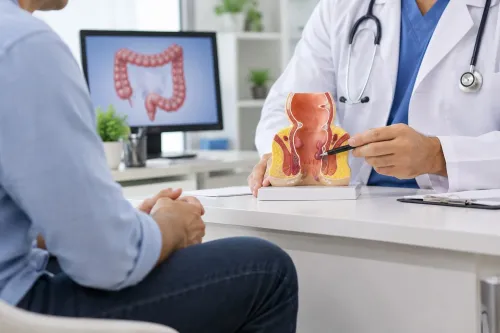
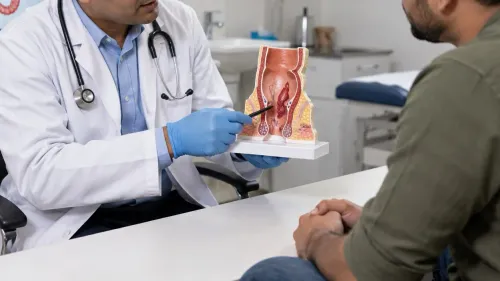
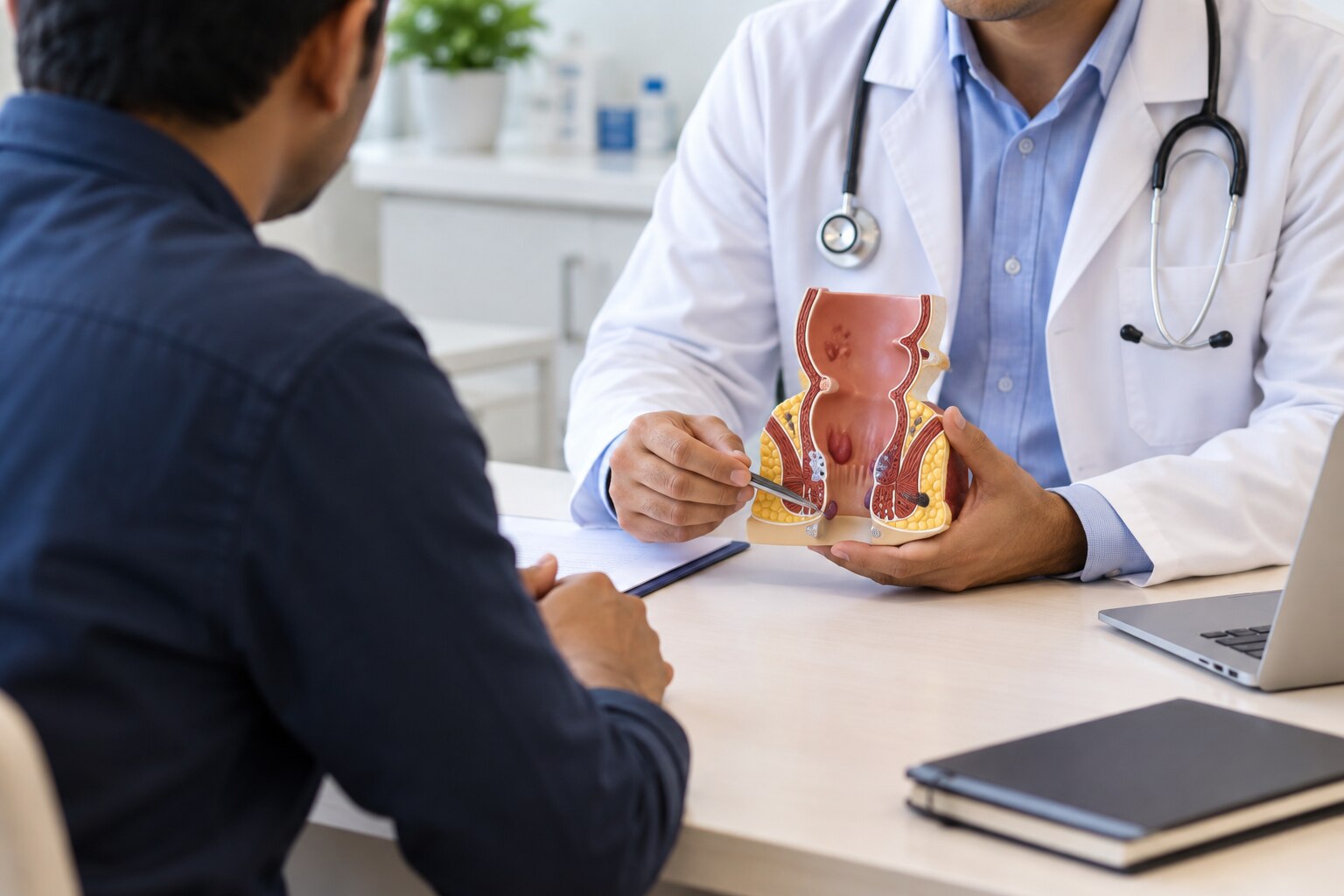
A piles specialist consultation starts by identifying why symptoms recur, not by prescribing fibre. The specialist reviews your bowel pattern and the pressures that affect it:
- Stool frequency and consistency, urgency, straining, time spent on the toilet, wiping, diet and physical activity.
- Pregnancy history, coughing, heavy lifting, and medicines or supplements that cause constipation or increase bleeding risk. Do not stop prescribed antiplatelet or anticoagulant medicine without advice from the prescribing clinician.
- An anal examination to check for haemorrhoids, prolapse, an anal fissure, another source of bleeding, or signs of an anal fistula and abscess.
The clinician can then set a gradual fibre or psyllium plan, adjust constipation treatment, address diarrhoea and explain when to return. Follow-up instructions after treatment matter because persistent bleeding needs diagnostic review, not repeated self-treatment.
Preventing constipation can reduce trauma and support anal fissure healing, but it cannot replace prescription treatment for a chronic fissure. Lifestyle changes cannot close an anal fistula or reliably prevent an abscess from recurring. Increasing pain, swelling, pus or fever needs surgical assessment rather than a diet experiment.
When should you discuss a procedure instead of relying on lifestyle changes?
Choose continued self-management when symptoms are mild, the diagnosis is clear, and bleeding or discomfort improves with fibre, fluids, and better toilet habits. Arrange reassessment when symptoms persist, return despite a consistent prevention plan, or include recurrent bleeding or significant prolapse.
| Option | What it can do | When it applies |
|---|---|---|
| Lifestyle changes | Reduce straining, bleeding and discomfort; they do not remove a physical obstruction | Mild symptoms that improve with a confirmed diagnosis |
| Office treatment for piles | Treat selected internal haemorrhoids without major surgery | Persistent symptoms or suitable prolapse after conservative care |
| Surgery | Remove or correct advanced disease | Large prolapsing haemorrhoid, thrombosed haemorrhoid, or persistent grade III and IV haemorrhoids |
The decision about when piles need surgery depends on size, prolapse, bleeding, pain, examination findings and your response to prevention. A specialist can compare the benefits and limitations of office treatment or surgery with continued self-management, then set follow-up and safety-net instructions.
For a Pune reader, Dr Gowri Singh-Best Laser Piles Surgeon in Pune can connect specialist assessment with discussion of lifestyle measures, office treatment or surgery; the consultation should begin by confirming the diagnosis rather than assuming recurrence means piles. Anal fissure, inflammatory bowel disease, polyps and colorectal cancer can also cause bleeding.
Seek urgent assessment for heavy or continuous bleeding, severe pain, fever, dizziness or a new painful lump. Increasing pain, swelling or pus also needs review rather than another diet experiment.
Related services
Laser Piles Surgeon in Pune Laser Piles Surgeon in Viman Nagar, Kharadi, Vishrantwadi, Pune Dr Gowri Singh is the Best Laser Piles Surgeon in Pune, specializing as a Piles Surgeon, Laser Piles Doctor, and Lady Piles Surgeon in Viman Nagar,... View service → |
Piles Doctor in Pune Piles Doctor in Viman Nagar, Kharadi, Vishrantwadi, Pune Dr Gowri Singh is the Best Piles Doctor, Laser Piles Surgeon, Laser Piles Doctor, Lady Piles Doctor in Viman Nagar, Kalyani Nagar, Koregaon Park,... View service → |
Frequently asked questions
Can lifestyle changes genuinely reduce recurring piles symptoms?
Yes. Increasing fibre, drinking enough fluid, avoiding straining and limiting toilet sitting can reduce pressure on haemorrhoidal veins and lower recurrence risk. Lifestyle changes do not replace assessment when bleeding is persistent or unexplained.
What daily bowel routine lowers recurrence risk?
Respond to the urge to pass stool, allow unhurried toilet time, avoid pushing and do not sit on the toilet for long periods. A fibre-rich diet and adequate fluids help keep stools soft.
Which triggers and mistakes can keep piles symptoms returning?
Constipation, repeated diarrhoea, straining, prolonged toilet sitting, heavy lifting and low fibre intake can keep symptoms returning. Repeated self-treatment without confirming the diagnosis is another mistake.
How does a specialist create a prevention plan?
A specialist confirms whether haemorrhoids caused the symptoms, reviews bowel habits and triggers, examines the anal area and tailors advice to constipation, diarrhoea, prolapse or bleeding patterns.
When should you discuss a procedure instead of relying on lifestyle changes?
Discuss a procedure when bleeding, prolapse, pain or recurrent flare-ups continue despite consistent lifestyle changes, or when examination shows haemorrhoids unlikely to improve with routine changes alone.