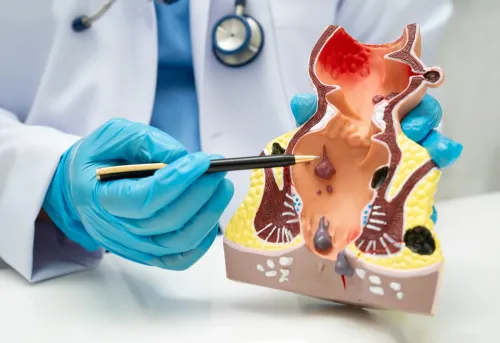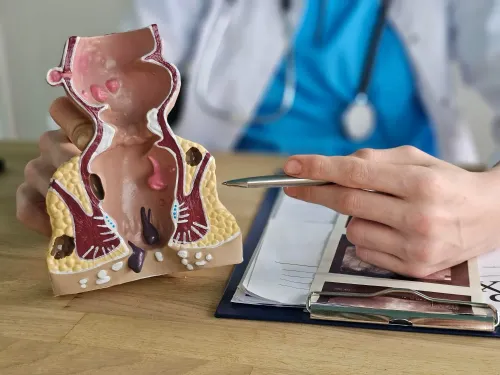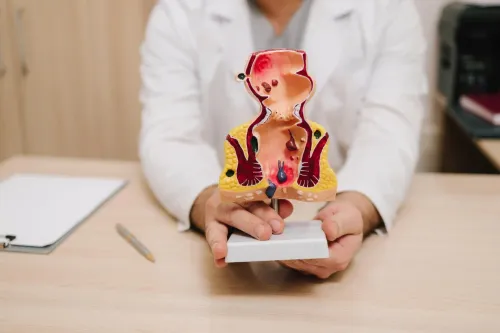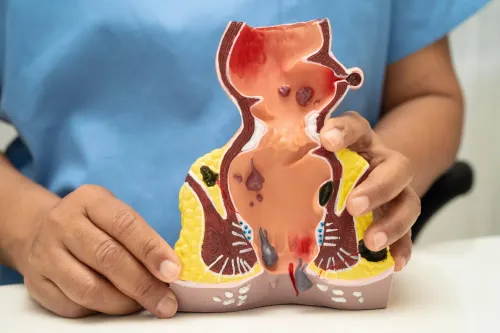
Recurring piles can create a frustrating cycle. Symptoms settle for a few weeks, constipation returns, bleeding begins again, and another temporary remedy is tried. At this stage, the key question is not simply how to obtain faster relief but why symptoms continue and whether the current management remains suitable.
For patients in Kharadi, Pune, selecting Piles Treatment should begin with reassessment.
Recurrence Does Not Always Mean the Same Problem
Patients commonly use the word 'piles' for almost any anal discomfort.
If the diagnosis was never formally established, recurring pain or bleeding may actually be related to a fissure, fistula, infection, or another condition.
Even when hemorrhoids have previously been diagnosed, their severity may have changed.
A fresh evaluation is useful when the symptom pattern changes or conservative measures repeatedly fail.
Know When Conservative Treatment May Be Insufficient
Dietary fibre, hydration, avoiding straining, and appropriate medication can play an important role in managing hemorrhoidal symptoms.
However, repeated prolapse, recurrent bleeding, persistent symptoms, or increasing interference with normal activities may justify discussion of procedural treatment.
The decision is based on the overall clinical picture rather than symptom duration alone.
Compare Piles Treatment Options by Suitability
Different procedures solve different problems.
Depending on the findings, treatment may involve an office-based procedure, minimally invasive approach, laser-assisted technique, or conventional surgical method.
Ask the surgeon to explain:
- The type and grade of hemorrhoids.
- Why the proposed procedure is appropriate.
- Alternative treatments.
- Anaesthesia requirements.
- Expected discomfort.
- Recovery restrictions.
- Relevant complications.
- Possibility of recurrence.
This provides more meaningful information than comparing procedures solely on advertised recovery time.
Understand the Risks Before Deciding
All interventions have potential complications.
Depending on the procedure, risks may include bleeding, pain, infection, urinary difficulty, delayed healing, recurrence, and other treatment-specific concerns.
The likelihood and significance of these risks differ, so they should be discussed in relation to the exact technique proposed.
Prepare for Treatment Properly
Once a procedure is planned, provide complete information about medicines and health conditions.
Patients taking blood thinners should discuss them with the treating surgeon. Never discontinue important prescription medicines independently.
Follow instructions regarding fasting, bowel preparation, transportation, and admission or discharge planning.
Protect Recovery With Better Bowel Habits
Treatment addresses the existing hemorrhoidal problem, but constipation and repeated straining can continue to place pressure on the anorectal region.
Post-treatment care commonly includes adequate hydration, appropriate fibre intake, stool management when prescribed, and avoiding prolonged toilet sitting.
Return to work and exercise should follow the surgeon's recommendations for the specific procedure.
Frequently Asked Questions
Why do piles return after medicines?
Medicines may control symptoms without eliminating contributing factors or more advanced hemorrhoidal disease.
Does recurrence mean laser treatment is necessary?
No. Laser is one possible option for selected patients.
Will surgery permanently cure piles?
No treatment should be presented as a guarantee against recurrence.
When should bleeding be investigated further?
Persistent, recurrent, unexplained, or changing rectal bleeding should be clinically evaluated.
Dr. Gowri Singh provides assessment and treatment planning for hemorrhoidal and general surgical conditions. Patients in Kharadi dealing with recurring symptoms can use a consultation to identify why previous management has not provided adequate control and determine the next appropriate treatment step.
Keywords