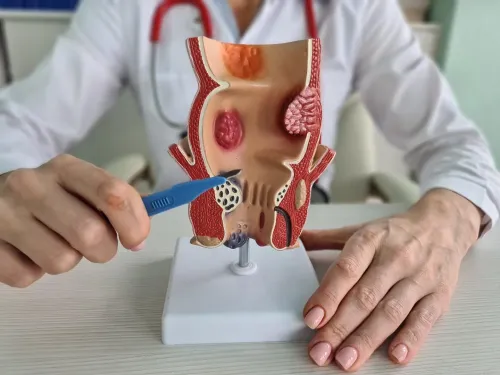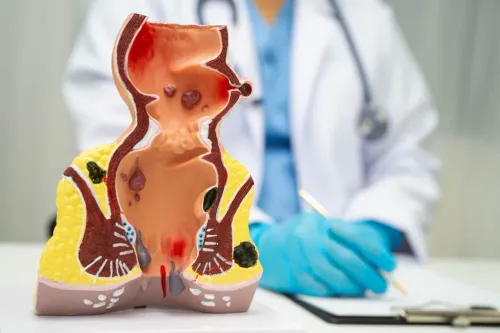
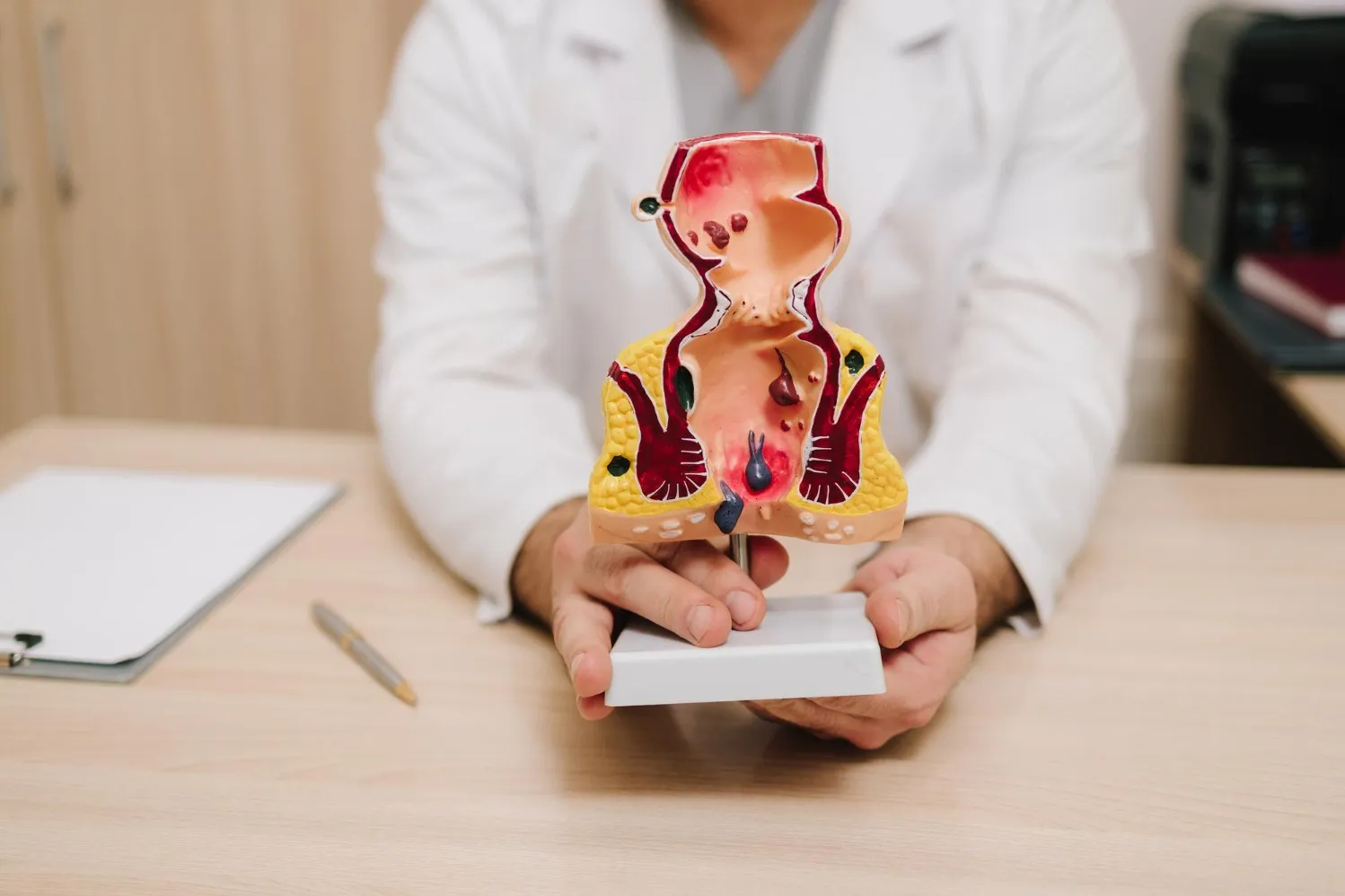
Repeated episodes of piles can interfere with work, travel, exercise, and everyday comfort. When bleeding or prolapse keeps returning despite conservative measures, patients often begin considering procedural options.
Consulting a laser Piles Doctor does not mean laser treatment will automatically be recommended. The purpose of the consultation is to determine whether intervention is appropriate and which technique fits the diagnosis.
For patients in Viman Nagar, Pune, certain patterns can indicate that it is time for a more detailed assessment.
Persistent Symptoms Are an Important Indicator
A consultation becomes particularly relevant when hemorrhoidal symptoms repeatedly return despite reasonable attempts to control constipation and improve bowel habits.
Examples include:
- Recurring bright red bleeding
- Repeated prolapse during bowel movements
- Persistent irritation
- Difficulty reducing prolapsed tissue
- Frequent episodes affecting daily routines
- Previous treatment with inadequate improvement
Persistent symptoms should be diagnosed rather than repeatedly self-treated.
Diagnosis Comes Before Laser Treatment
A laser Piles Doctor should first establish whether hemorrhoids are responsible for the symptoms.
Anal fissures, fistulas, abscesses, and other anorectal or gastrointestinal conditions can produce overlapping complaints.
An examination helps determine the nature and severity of the condition and whether further investigation is required.
What Makes Someone Suitable for a Procedure
Suitability cannot be determined from symptoms alone.
The surgeon considers hemorrhoid type, degree of prolapse, bleeding, previous treatment, medical history, medications, and other findings.
Laser-assisted treatment may be one option in selected cases. Other patients may benefit from continued conservative management, another minimally invasive procedure, or a different surgical technique.
Understand the Benefits and Limitations
Laser-based techniques may offer advantages for appropriately selected patients, depending on the procedure being performed.
However, patients should expect a balanced explanation that includes potential postoperative discomfort, bleeding, recurrence, infection, and other procedure-specific risks.
Claims of guaranteed cure, permanent results, or completely painless treatment should not replace an individualized clinical discussion.
Preparing When Treatment Is Scheduled
If a procedure is selected, follow the preoperative instructions provided by the treating team.
Disclose prescription medicines, supplements, allergies, diabetes, hypertension, heart conditions, and previous surgical history. Blood thinners require specific discussion.
Depending on the procedure, fasting, bowel preparation, and transportation arrangements may be necessary.
Recovery Requires More Than Rest
The first few days after treatment often require attention to bowel habits.
Prescribed pain medication and stool-softening measures may be recommended. Adequate fluids and appropriate fibre intake can help reduce hard stools and straining.
Follow instructions about bathing, hygiene, driving, exercise, lifting, and return to work.
Frequently Asked Questions
Does recurring bleeding mean I definitely need surgery?
No. It means the cause should be assessed. Treatment depends on the diagnosis and severity.
Can I request laser treatment specifically?
You can discuss it, but suitability should be determined clinically.
How long does recovery take?
There is no universal timeline. Recovery depends on the exact procedure, disease extent, occupation, and individual healing.
Can hemorrhoids recur after laser treatment?
Yes. Recurrence remains possible after hemorrhoid treatment.
Dr. Gowri Singh provides consultation for hemorrhoids and other proctological conditions. For patients in Viman Nagar whose symptoms continue despite conservative care, a surgical assessment can clarify whether a laser-based technique, another procedure, or continued non-operative management is appropriate.
Keywords