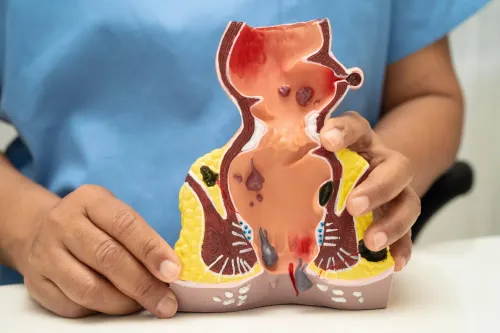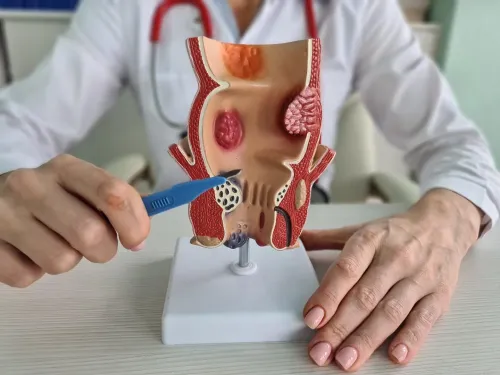
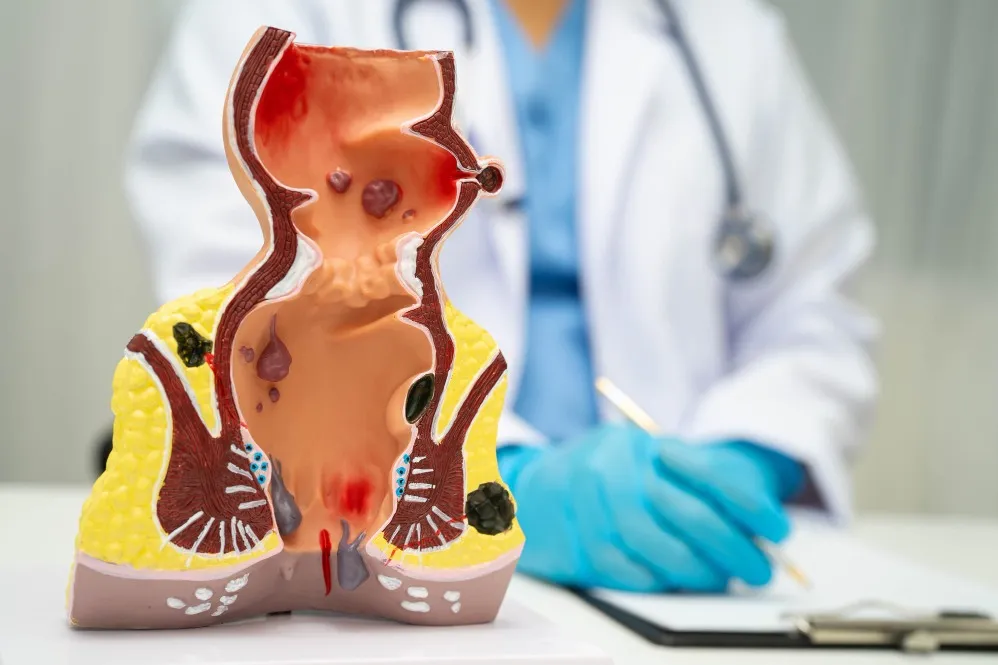
Interest in laser treatment for Piles has increased because patients often look for treatment options associated with smaller wounds, controlled tissue treatment, and potentially easier postoperative care in selected cases.
However, 'laser' describes a technology rather than a diagnosis. Its suitability depends on the type and severity of hemorrhoidal disease and the specific technique proposed.
Patients in Kharadi, Pune, should understand these differences before making a treatment decision.
How Laser Treatment for Piles Is Used
Laser energy may be used in selected hemorrhoid procedures to treat targeted tissue. The exact method can vary, which is why two treatments described as laser procedures are not necessarily identical.
A consultation should clarify the precise procedure being recommended rather than relying only on the word 'laser.'
The surgeon should first confirm that symptoms are caused by hemorrhoids and assess their severity.
Potential Benefits Need Individual Context
Depending on the technique and patient selection, minimally invasive approaches may offer advantages such as reduced tissue trauma or a less extensive wound compared with some conventional operations.
This can influence postoperative discomfort and return to routine activity in suitable patients.
These are potential advantages rather than guarantees. Recovery depends on hemorrhoid grade, procedure type, individual healing, bowel habits, associated conditions, and the nature of the patient's work.
Compare Laser With Other Options
The decision should not be framed simply as laser versus 'old surgery.'
Some patients may not need an operation at all. Others may be suitable for office-based procedures or different surgical techniques.
When evaluating laser treatment for Piles, ask why it has been recommended specifically for your condition and what alternatives are available.
Useful questions include:
- What type and grade of hemorrhoids do I have?
- What exactly will the laser procedure treat?
- Are there non-surgical alternatives?
- What type of anaesthesia is expected?
- What are the possible complications?
- What is the likelihood of recurrence?
- What recovery restrictions will apply?
Pre-Treatment Care
Preparation depends on the selected procedure and anaesthesia.
Patients should disclose all medicines, particularly anticoagulants and antiplatelet medicines. Diabetes, hypertension, allergies, previous operations, and other relevant conditions should also be discussed.
Do not independently stop prescribed medicines before surgery.
Follow instructions regarding fasting and bowel preparation if these are required.
Recovery After a Laser Procedure
Some patients undergoing selected minimally invasive hemorrhoid procedures may return to normal daily activities relatively quickly, but there is no single recovery time applicable to everyone.
Temporary discomfort, minor bleeding, bowel-related sensitivity, or changes in routine can occur.
Post-treatment instructions may include prescribed pain relief, stool-softening measures where appropriate, adequate hydration, fibre intake, hygiene, and temporary restrictions on strenuous activity.
Increasing pain, fever, heavy bleeding, difficulty passing urine, or other concerning symptoms should be reported according to the treating surgeon's instructions.
Frequently Asked Questions
Is laser treatment completely painless?
No procedure should be assumed to be completely painless. Anaesthesia and postoperative pain management are used as appropriate.
Can laser treatment guarantee that piles never return?
No. Recurrence is possible after hemorrhoid treatment.
Is laser suitable for every grade of piles?
Suitability varies. Clinical assessment is required.
Will I need admission?
This depends on the procedure, anaesthesia, health status, and clinical circumstances.
Dr. Gowri Singh evaluates patients with piles and related proctological concerns. For people in Kharadi considering laser-based care, comparing the diagnosis, exact technique, alternatives, risks, and realistic recovery expectations can lead to a better-informed treatment decision.
Keywords