Once conservative measures are no longer controlling persistent hemorrhoidal symptoms, patients often begin comparing procedures. This is also the point at which asking the right questions becomes particularly important.
A Piles Doctor should be able to explain not only what procedure is available but why it is appropriate for the patient's specific condition.
For patients in Vishrantwadi, Pune, the following questions can make a surgical consultation more useful.
Ask What Diagnosis Has Been Confirmed
Before discussing treatment, ask whether the symptoms have been confirmed as hemorrhoids.
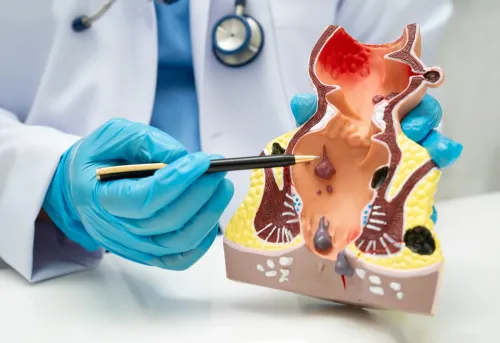
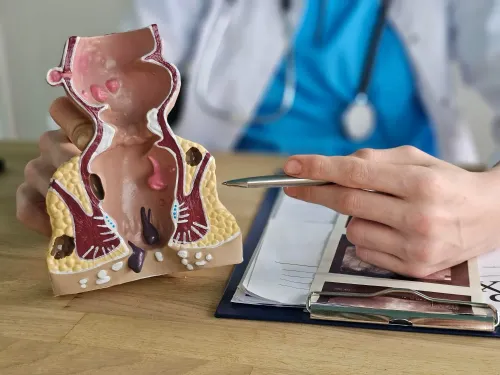
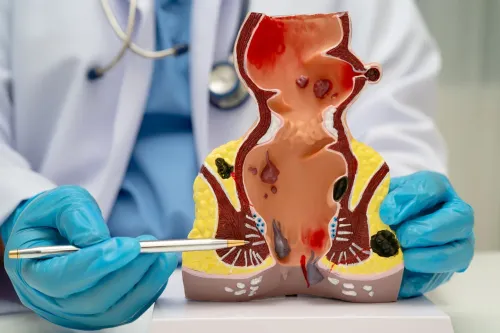
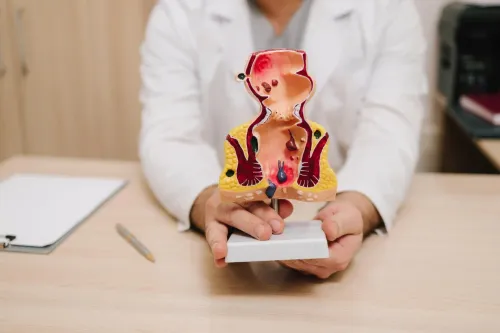
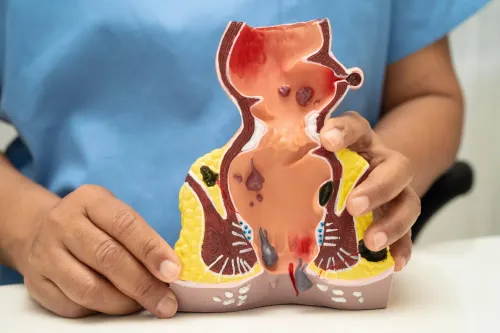
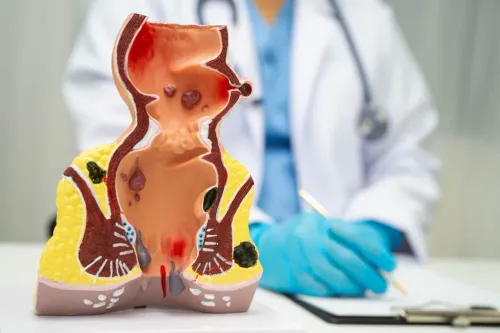
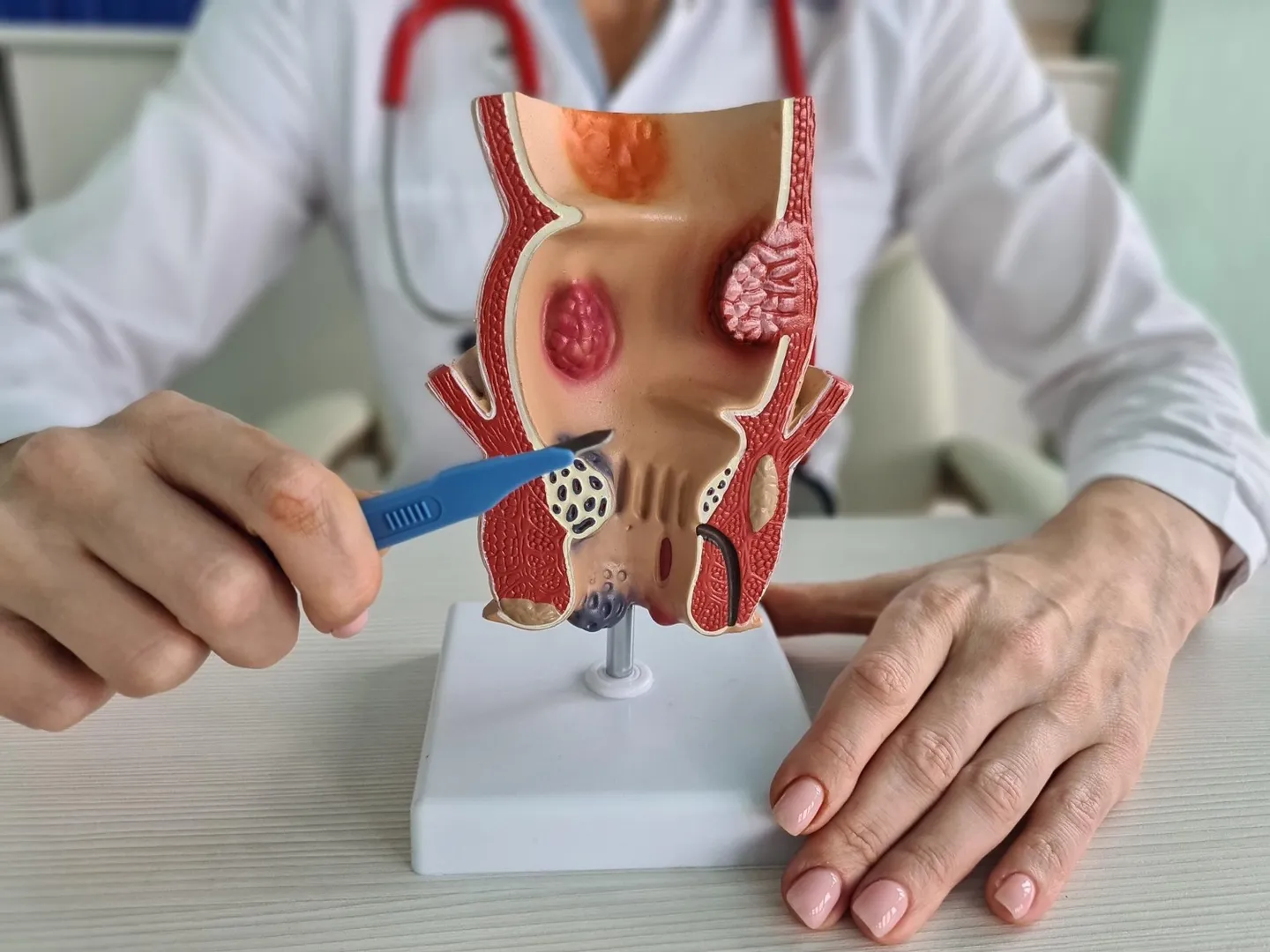
Bleeding, pain, swelling, and discomfort can have several causes. Understanding whether the condition involves internal piles, external disease, a fissure, fistula, or another problem changes the treatment plan.
If piles are confirmed, ask about their severity and whether prolapse is present.
Ask Whether a Procedure Is Necessary
A procedure should have a clinical reason.
Ask whether further conservative treatment remains reasonable. For selected early cases, managing constipation, improving bowel habits, and using prescribed medication may be sufficient.
When symptoms persist or disease is more advanced, procedural treatment may become appropriate.
Ask Which Technique Fits Your Condition
A Piles Doctor may discuss office procedures, minimally invasive approaches, laser-assisted treatment, or surgical options depending on the findings.
Instead of asking only, 'Which treatment is best?' ask:
- Why is this procedure suitable for my condition?
- What are the alternatives?
- What happens if I postpone treatment?
- What type of anaesthesia will be used?
- What are the likely benefits?
- What complications should I understand?
- How is recurrence managed?
This creates a more useful conversation than choosing treatment solely by technology name.
Understand Recovery Before Scheduling
Recovery can affect work, travel, exercise, and family responsibilities.
Ask how long significant discomfort usually lasts for the proposed procedure and when routine activities may reasonably resume. The answer should be individualized.
Patients with physically demanding jobs may require different restrictions from people working at a desk.
You should also understand what to expect during the first few bowel movements and what medicines may be prescribed.
Prepare for the Procedure Correctly
Tell the surgeon about all prescription medicines, supplements, allergies, previous operations, and significant health conditions.
Blood thinners require particular attention, but they should not be stopped without medical instructions.
Follow any prescribed fasting or bowel preparation guidance carefully. If anaesthesia or sedation is planned, transportation arrangements may also need to be made.
Plan for Post-Treatment Care
Good recovery does not end when the procedure is completed.
The treatment plan may include pain medication, stool-softening measures, adequate fluids, fibre where appropriate, hygiene instructions, activity limitations, and follow-up.
Avoiding constipation and excessive straining is often particularly important.
Frequently Asked Questions
Can I return to work the next day?
It depends on the treatment and the nature of your work. Do not assume a fixed recovery period before discussing the actual procedure.
Will bowel movements hurt after treatment?
Some discomfort can occur after hemorrhoid procedures. The expected degree varies with the technique and individual recovery.
Can piles recur even after surgery?
Yes. Recurrence can occur, although rates differ between treatments and individual circumstances.
What symptoms after treatment need attention?
Heavy bleeding, fever, worsening pain, difficulty urinating, or other unexpected symptoms should be reported according to the surgeon's advice.
Dr. Gowri Singh provides general surgical and proctology consultation. Patients in Vishrantwadi preparing for piles treatment can use the consultation to understand diagnosis, treatment alternatives, risks, recovery, and aftercare before making a decision.
Keywords