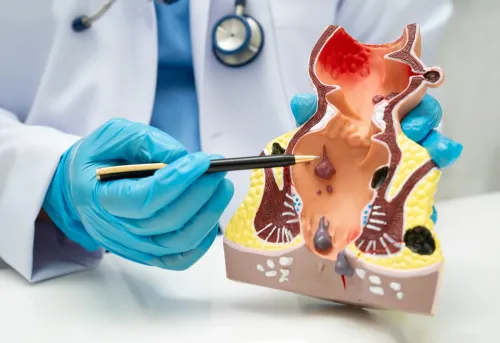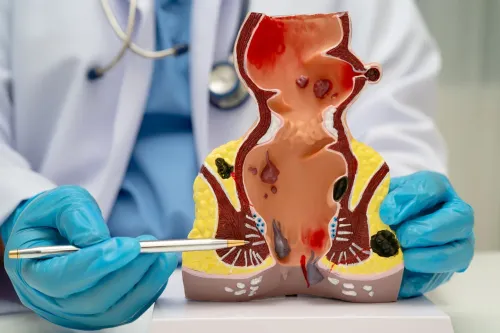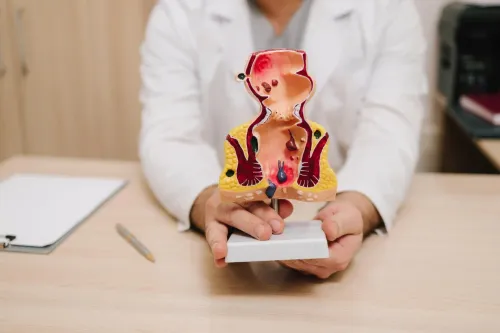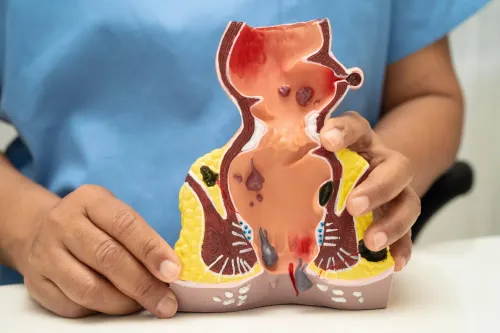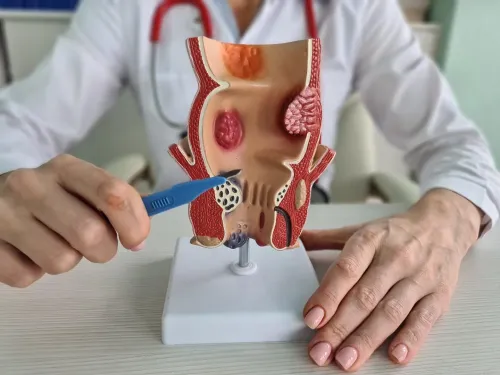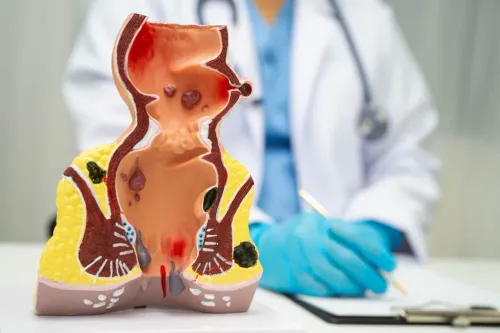
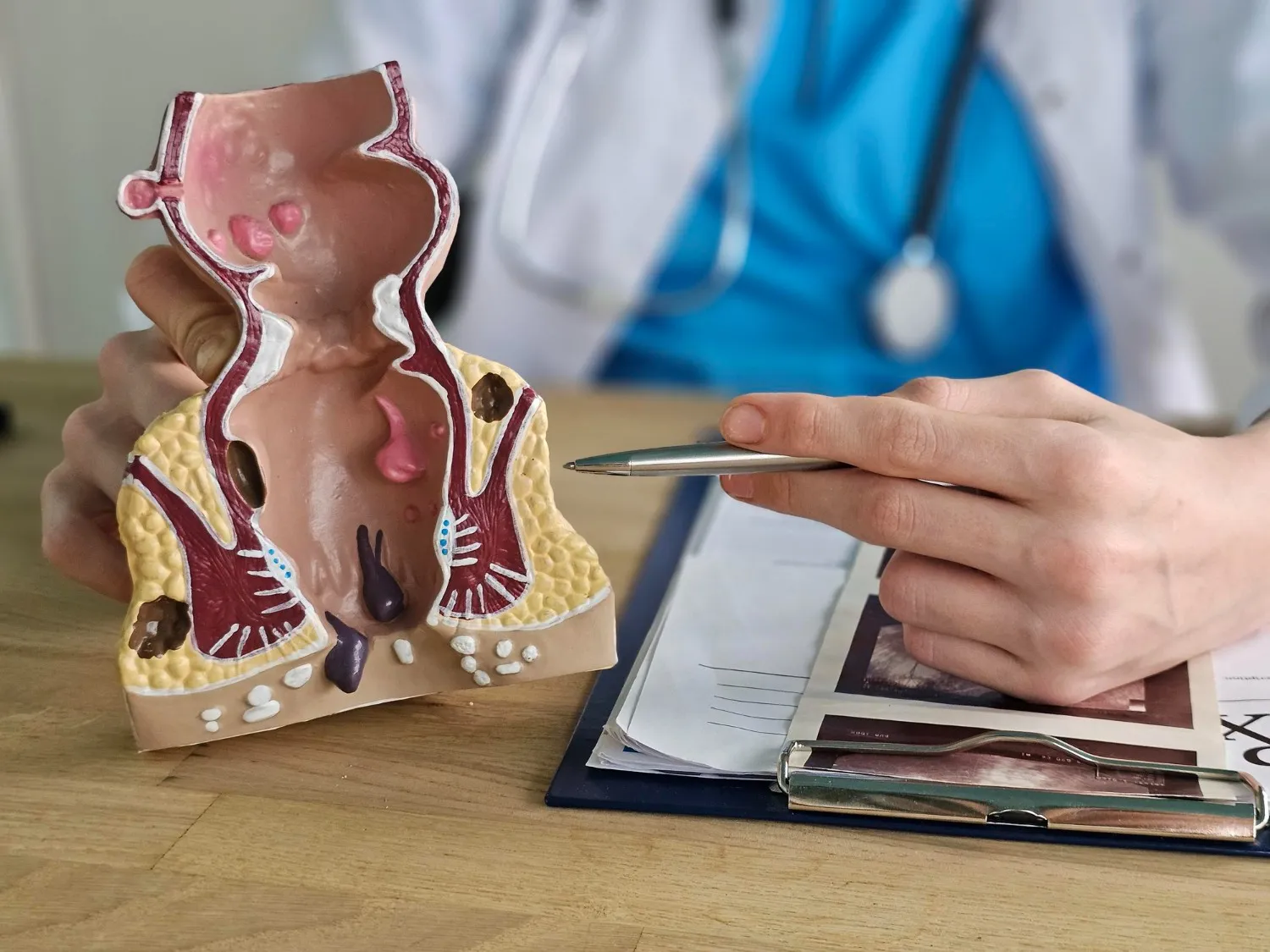
Piles, fissures, and fistulas all affect the anorectal region, but they are not interchangeable conditions. Their symptoms, underlying problems, treatment methods, and recovery requirements can differ considerably.
Choosing a Proctologist who uses a diagnosis-led approach is therefore important when symptoms are persistent or the diagnosis is uncertain.
For patients in Vishrantwadi, Pune, provider selection can be based on several practical indicators.
Look for Care That Distinguishes Similar Symptoms
Bright red bleeding may occur with piles and fissures. Pain can accompany several conditions. Swelling may represent hemorrhoidal disease, but painful swelling with infection can have another explanation.
A fistula often involves an abnormal tract and may present with recurring discharge, swelling, or repeated infections.
The consultation should establish which condition is present rather than treating symptoms generically.
Ask How the Diagnosis Will Be Confirmed
A Proctologist should take a detailed history and perform the examination considered appropriate for the symptoms.
Depending on clinical findings, further tests may sometimes be recommended.
Patients should feel able to ask why an examination or investigation is needed and how the result will affect treatment.
Evaluate Whether Treatment Choices Are Individualized
Piles may sometimes respond to conservative measures, particularly in earlier stages.
Acute fissures may also be approached differently from chronic fissures. Fistulas frequently require a more detailed assessment of the tract and surrounding structures before treatment planning.
Because these conditions behave differently, one procedure should not be promoted as a universal solution for every anorectal problem.
Ask About Procedure-Specific Benefits and Risks
If surgery or a minimally invasive procedure is proposed, understand exactly what it aims to achieve.
Ask about anaesthesia, postoperative discomfort, wound care, expected bowel movements, time away from work, follow-up, and recurrence.
Risks depend on the procedure and condition. A balanced consultation should explain both potential advantages and relevant complications without unrealistic guarantees.
Prepare for Treatment With Accurate Medical Information
Patients should disclose current medications, allergies, diabetes, cardiovascular conditions, previous anorectal surgery, and other relevant medical history.
Blood-thinning medicines require particular attention and should only be adjusted according to medical instructions.
Preparation such as fasting or bowel cleansing varies according to the procedure.
Post-Treatment Care Should Be Clearly Explained
Recovery from piles treatment differs from recovery after fissure or fistula surgery.
Some procedures involve minimal external wounds, while others require ongoing local care. Instructions may cover pain relief, dressing, hygiene, bowel management, physical activity, and follow-up.
Patients should know whom to contact if they develop increasing pain, heavy bleeding, fever, significant swelling, or another unexpected symptom.
Frequently Asked Questions
Can the same doctor treat piles, fissures, and fistulas?
Proctology commonly covers these anorectal conditions, although the treatment plan differs for each diagnosis.
Does every fistula require the same operation?
No. Treatment depends on the fistula's anatomy and clinical characteristics.
Can a chronic fissure be mistaken for piles?
Symptoms can overlap, which is why examination can be useful.
How quickly can I return to work after treatment?
Recovery varies substantially according to the diagnosis, procedure, and type of work.
Dr. Gowri Singh provides proctology and general surgical evaluation for patients with anorectal symptoms. People in Vishrantwadi comparing treatment providers can prioritize diagnostic accuracy, individualized procedure selection, transparent discussion of risks, and structured postoperative care.
Keywords