Many people dismiss the early signs of piles, assuming the discomfort will disappear with time. A little itching, mild pain during bowel movements, or occasional bleeding may not seem alarming. However, these symptoms can gradually worsen and begin to affect everyday life. Understanding the early warning signs allows you to seek timely medical advice and prevent the condition from progressing.
Common Symptoms You Should Not Ignore
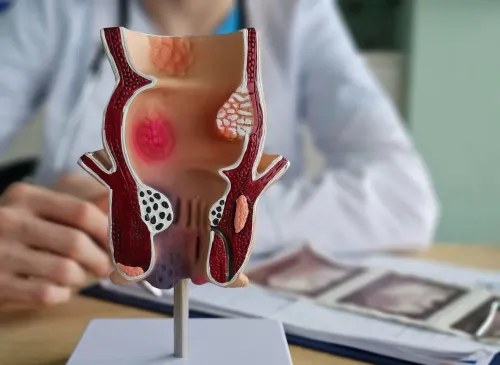
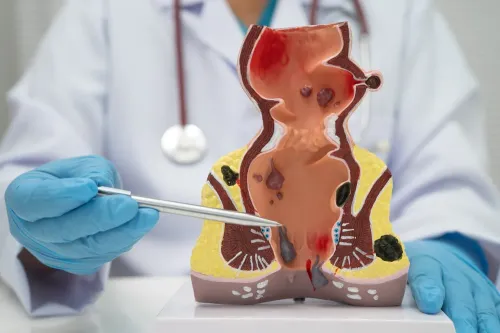
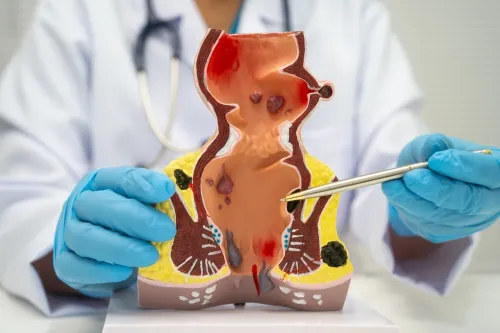
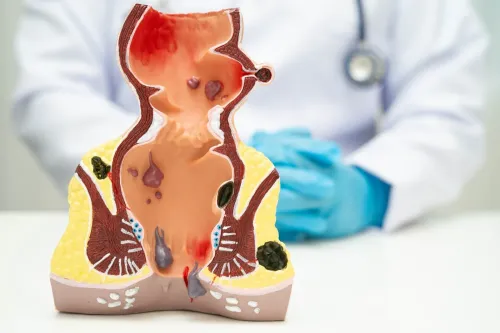
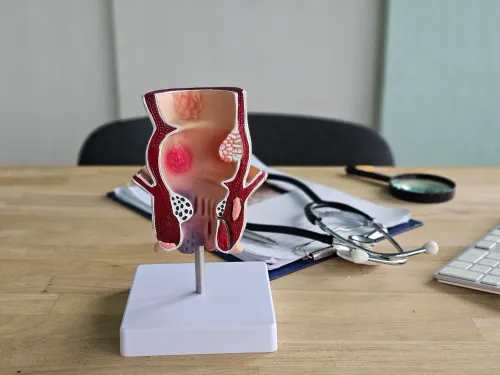
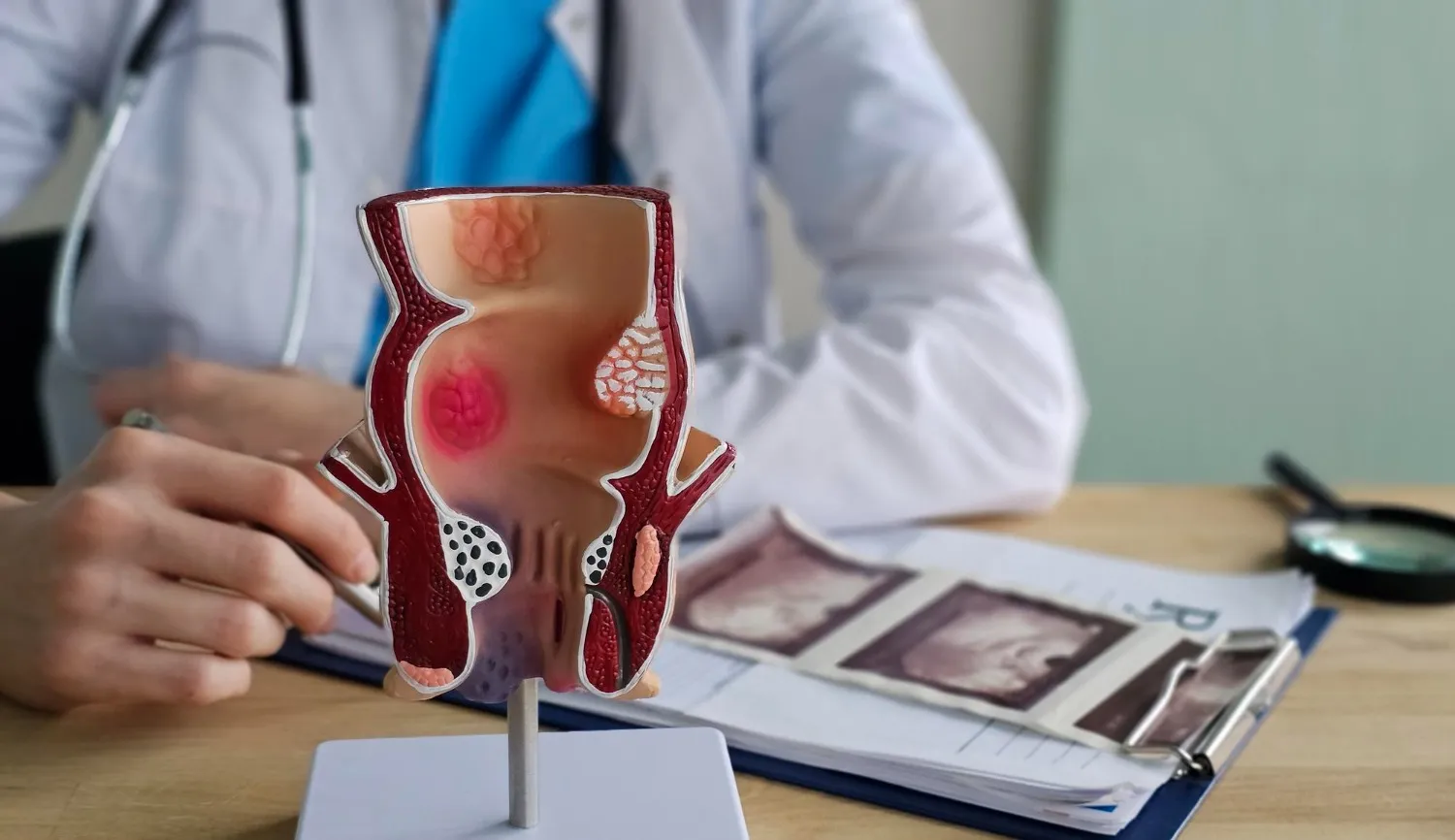
Piles, also known as hemorrhoids, develop when the veins around the lower rectum or anus become swollen. The symptoms vary depending on the type and severity of the condition, but some of the most common include:
- Bright red bleeding during bowel movements
- Itching around the anal region
- Pain or burning sensation
- Swelling near the anus
- A lump that may be felt after passing stools
- Mucus discharge
- Discomfort while sitting for long periods
While these symptoms are often linked to piles, they can also indicate other anorectal conditions. A proper diagnosis is essential before starting any treatment.
Why Piles Develop
Several lifestyle and health factors increase the risk of developing piles. These include:
- Chronic constipation
- Frequent straining during bowel movements
- Low-fibre diet
- Prolonged sitting
- Pregnancy
- Obesity
- Heavy weightlifting
- Age-related weakening of supporting tissues
People working in desk-based jobs may be particularly vulnerable because long hours of sitting reduce physical activity and contribute to bowel irregularities.
When Should You Consult a Specialist
Occasional discomfort may improve with lifestyle changes, but persistent symptoms deserve medical attention. You should consider consulting a piles doctor if:
- Bleeding occurs repeatedly.
- Pain becomes severe.
- A swelling does not reduce.
- Symptoms continue despite home remedies.
- Bowel habits change unexpectedly.
Early evaluation helps identify whether the problem is piles, an anal fissure, fistula, or another colorectal condition requiring different treatment.
What Happens During the Consultation
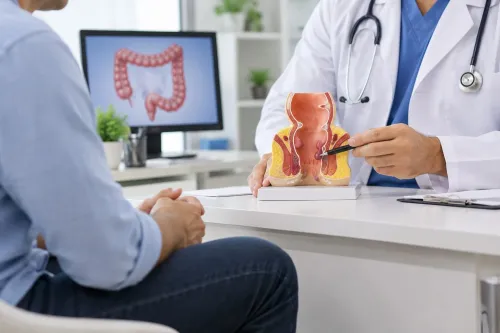
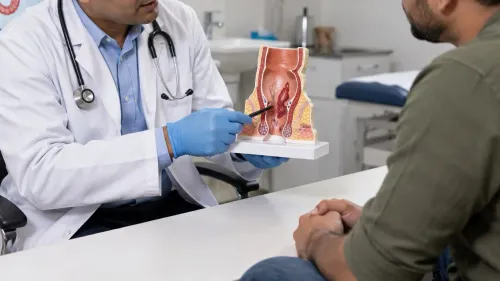
Many patients delay visiting a proctologist because they feel embarrassed. In reality, these conditions are among the most common concerns seen in surgical practice.
A consultation usually involves:
- Discussing your symptoms and medical history.
- Reviewing bowel habits and dietary pattern.
- Performing a gentle physical examination.
- Recommending additional tests only if required.
The goal is to determine the exact cause of your symptoms and recommend the most appropriate management plan.
Simple Habits That May Reduce the Risk
Although piles cannot always be prevented, healthy bowel habits can reduce the chances of developing them.
Helpful measures include:
- Eating plenty of fruits, vegetables, and whole grains
- Drinking adequate water throughout the day
- Exercising regularly
- Avoiding prolonged straining
- Responding promptly to the urge to pass stools
- Limiting extended periods of sitting
These lifestyle changes also support recovery for people receiving treatment.
People living around Viman Nagar, Pune, often balance demanding work schedules with long commutes, making constipation and prolonged sitting more common. Maintaining healthy bowel habits becomes especially important in such situations.
If symptoms persist despite lifestyle improvements, seeking an evaluation from an experienced proctologist such as Dr. Gowri Singh can help identify the underlying cause early. Timely diagnosis often allows treatment to begin before the condition progresses and helps patients make informed decisions about their colorectal health.
Keywords