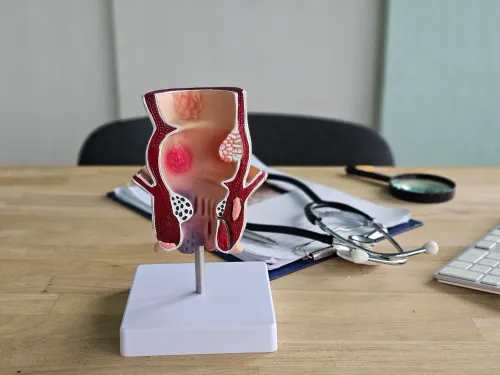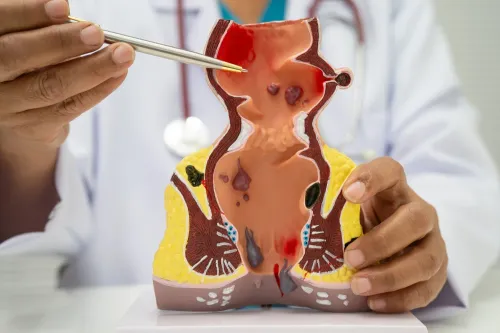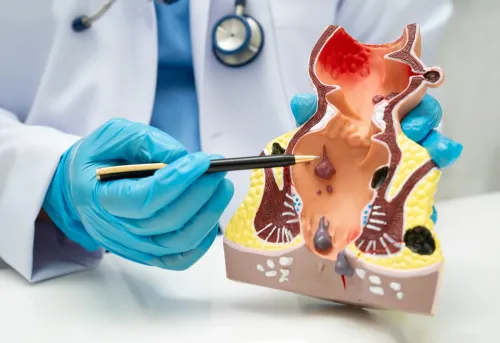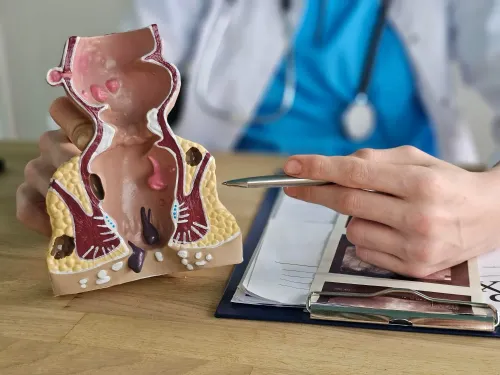
You may arrive with bleeding, pain, itching or a lump and worry that an operation is already waiting for you. By the end of the appointment, you should know what is causing the symptoms, whether an examination or test is needed, and which treatment or monitoring plan fits your findings.
Key takeaways
- Record bleeding, pain, swelling and protruding tissue before your visit.
- Bring medication details, medical records and your symptom timeline.
- Expect questions, an external examination and possibly a rectal examination.
- Leave with a working diagnosis, treatment options and follow-up instructions.
What should you bring and do before the appointment?
Write down a symptom timeline before preparing for a piles consultation. Record when symptoms began, how often bleeding occurs, whether blood is bright red or dark, how much appears, and whether it is on toilet paper, the stool or in the bowl. Note pain, itching, mucus, discharge, swelling and any tissue protruding from the anus.
Also record your bowel habits and constipation: bowel frequency, stool consistency, diarrhoea, time spent straining and minutes spent sitting on the toilet. Bring these details in your phone or on paper.
What to bring to a piles doctor:
- A medication list, including anticoagulants, laxatives and supplements
- Allergy details and your medical conditions
- Pregnancy information when relevant
- Previous anorectal procedures, prior treatments and reports
- Relevant blood tests, scans or colonoscopy reports
| Record | Why it helps |
|---|---|
| Medication list | Prevents unsafe treatment choices, especially with anticoagulants |
| Previous reports | Shows earlier findings and treatments |
| Symptom notes | Speeds assessment of bleeding and bowel patterns |
Fasting and an enema are not routine for a standard consultation. Do not perform bowel preparation unless the clinic specifically instructs you. Wear loose, practical clothing. An accompanying person is optional but useful if you feel anxious, need translation or may forget the doctor’s instructions.
What happens from check-in through the symptom discussion?
At check-in, staff register you and provide medical forms covering allergies, medicines, medical conditions, pregnancy, previous anorectal treatment and relevant family history. Complete them accurately; this medical history for haemorrhoids helps the clinician avoid unsafe advice and unnecessary delays.
1. A nurse or doctor takes you to a private consultation area before any procedure is considered. The first piles doctor visit is usually a conversation, not an automatic laser procedure or same-day surgery.
2. Expect questions about bleeding, pain, itching, swelling, tissue protruding from the anus, mucus, discharge, bowel movements, stool consistency, constipation, diarrhoea and straining. The doctor may ask how long you sit on the toilet and whether you use laxatives.
3. Describe bleeding by timing, amount and location: on toilet paper, coating the stool or dripping into the bowl. Bright red blood in stool often comes from the anus or lower rectum, but colour alone does not prove that piles caused it.
4. The questions a piles doctor asks may also cover abdominal pain, unexplained weight loss, altered bowel habits, fatigue, anaemia, family history of colorectal cancer or inflammatory bowel disease, pregnancy, anticoagulants and previous anorectal procedures.
5. Your answers help determine whether symptoms sound like internal haemorrhoids, an external problem or a condition needing a different examination or referral. Be direct, even about symptoms that feel embarrassing.
What does the physical examination involve?
You usually undress only as much as necessary and lie in the position the clinician recommends. The piles physical examination begins with a visual check of the skin around the anus, looking for:
- A fissure or skin irritation
- Swelling or a thrombosed external haemorrhoid
- A fistula opening or abscess
- Prolapsed tissue
A digital rectal examination then uses one gloved, lubricated finger to check tenderness, lumps, muscle tone and other abnormalities. The clinician explains each step, and you can ask for a pause if you feel uncomfortable.
An anoscopy or proctoscopy uses a short instrument to view the anal canal and internal haemorrhoids. This anoscopy for haemorrhoids helps identify internal swelling that cannot be seen from outside. An anal fissure examination may focus more carefully on the skin and the painful area.
Severe pain changes the plan. If an acute anal fissure or abscess is suspected, the doctor may postpone the digital examination, modify it or perform it with extreme gentleness. Forcing an examination is unnecessary and can worsen pain.
Internal haemorrhoids may be painless because they sit above the dentate line, where pain sensation differs from the skin around the anus. Sharp, intense pain therefore deserves careful consideration rather than automatic attribution to piles; a fissure, thrombosed external haemorrhoid or abscess may explain it better.
How does the doctor confirm piles or look for another cause?
Piles diagnosis rests on the history and examination, not bleeding alone. Bright-red blood can come from the anus or lower rectum, but its colour does not prove haemorrhoids caused it. The clinician also asks about pain, bowel changes, weight loss, anaemia, family history and inflammatory bowel disease.
The examination helps separate piles versus fissure and other conditions. A fissure appears as a linear tear and may have a sentinel skin tag or hypertrophied anal papilla. Fistula assessment focuses on recurrent drainage, an external opening and a previous abscess. Severe tenderness, swelling and signs of infection raise concern for an abscess.
The assessment also checks for rectal prolapse, skin disease, inflammatory bowel disease, polyps and colorectal cancer. The Goligher grades describe prolapse, not every symptom:
- Grade I does not prolapse.
- Grade II prolapses with straining and returns by itself.
- Grade III prolapses and needs manual reduction.
- Grade IV stays prolapsed and cannot be reduced manually.
Colonoscopy is not automatic after haemorrhoids are found. When colonoscopy is needed for rectal bleeding depends on whether bleeding lacks a clear anorectal explanation, symptoms or examination findings are atypical, colorectal-cancer risk factors exist, or routine screening is due.
MRI or examination under anaesthesia is reserved for selected fistulas that are complex, recurrent, hidden or difficult to map.
What plan should you leave the consultation with?
Leave with a clear working diagnosis, urgency level, treatment choices, warning signs, follow-up date, and any required tests or referrals. If the diagnosis remains uncertain, ask what must be ruled out and when you will receive the results.
Many first consultations end with a non-operative plan: increase fibre gradually toward roughly 20–30 grams daily, drink enough fluid, improve stool consistency, avoid straining, and spend less time sitting on the toilet. Ask for a review date rather than assuming symptoms will be monitored indefinitely.
Your piles treatment options should be compared by suitability, recovery and recurrence:
| Option | What it treats | Main trade-off |
|---|---|---|
| Rubber-band ligation | Selected symptomatic internal haemorrhoids, especially grades I–II and some grade III cases; the band sits above the dentate line | Office treatment with lighter recovery, but repeat treatment may be needed; it does not treat an external lump |
| Haemorrhoidectomy | Advanced or mixed disease | More definitive, but haemorrhoidectomy recovery usually involves greater pain and more time away from normal activities |
| Laser or another procedure | Findings selected during assessment | Ask what evidence supports it and what recurrence or recovery to expect |
A recent thrombosed external haemorrhoid requires a separate decision; banding is not its treatment. Seek urgent advice for heavy bleeding, fever, increasing swelling, pus, inability to pass stool or urine, or severe worsening pain.
During a laser piles consultation with Dr Gowri Singh-Best Laser Piles Surgeon in Pune, ask when a second opinion or colorectal referral is appropriate.
Related service
Piles Doctor in Pune Piles Doctor in Viman Nagar, Kharadi, Vishrantwadi, Pune Dr Gowri Singh is the Best Piles Doctor, Laser Piles Surgeon, Laser Piles Doctor, Lady Piles Doctor in Viman Nagar, Kalyani Nagar, Koregaon Park,... View service → |
Frequently asked questions
What should I bring and do before a piles consultation?
Bring your symptom timeline, current medicines, relevant medical records, previous test reports and details of conditions such as diabetes or blood-thinning treatment. Record when bleeding began, its colour, amount and location, along with pain, itching, mucus, discharge, swelling and protruding tissue.
What happens during the symptom discussion?
The doctor will ask when symptoms started, how often they occur, what triggers or relieves them, and whether you have bleeding, pain, bowel changes, discharge or tissue protrusion. Answer directly and mention constipation, straining, diarrhoea and previous anal conditions.
What does the physical examination involve?
You may have an inspection of the skin around the anus while positioned on your side or knees. The doctor may perform a digital rectal examination with a lubricated, gloved finger and explain each step before proceeding.
How does the doctor confirm piles or look for another cause?
The diagnosis combines your history with the examination. The doctor may recommend anoscopy or another test when the source of bleeding is unclear, symptoms do not match piles, or conditions such as fissure, fistula, infection or bowel disease need assessment.
What plan should I leave the consultation with?
Leave knowing the working diagnosis, whether tests are needed, which treatment to start, how to manage stools and pain, when to return, and which warning signs require urgent care.