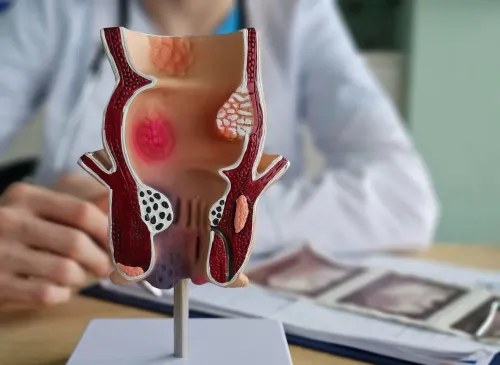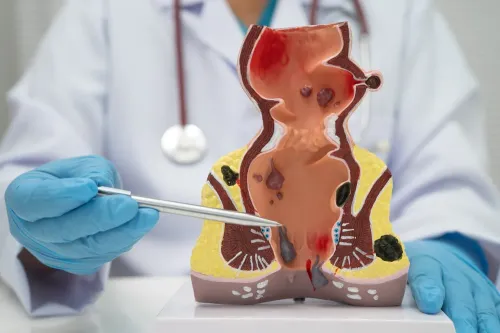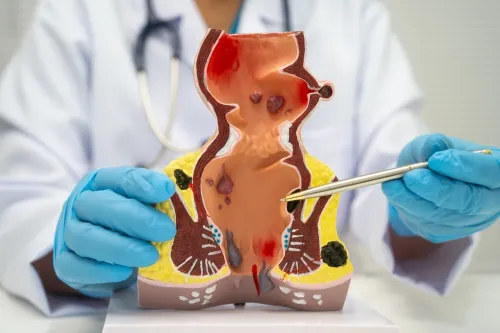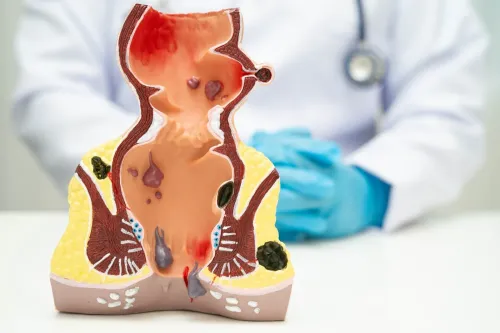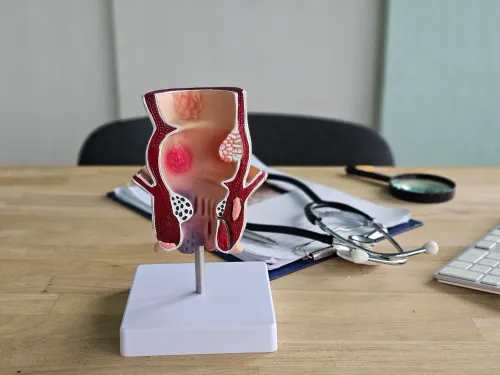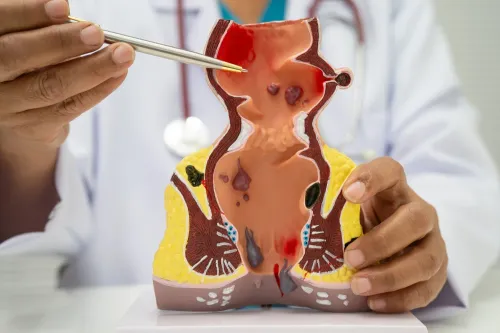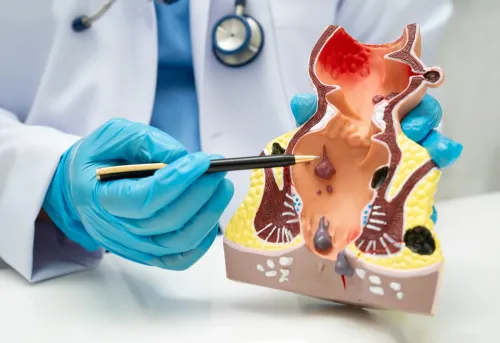
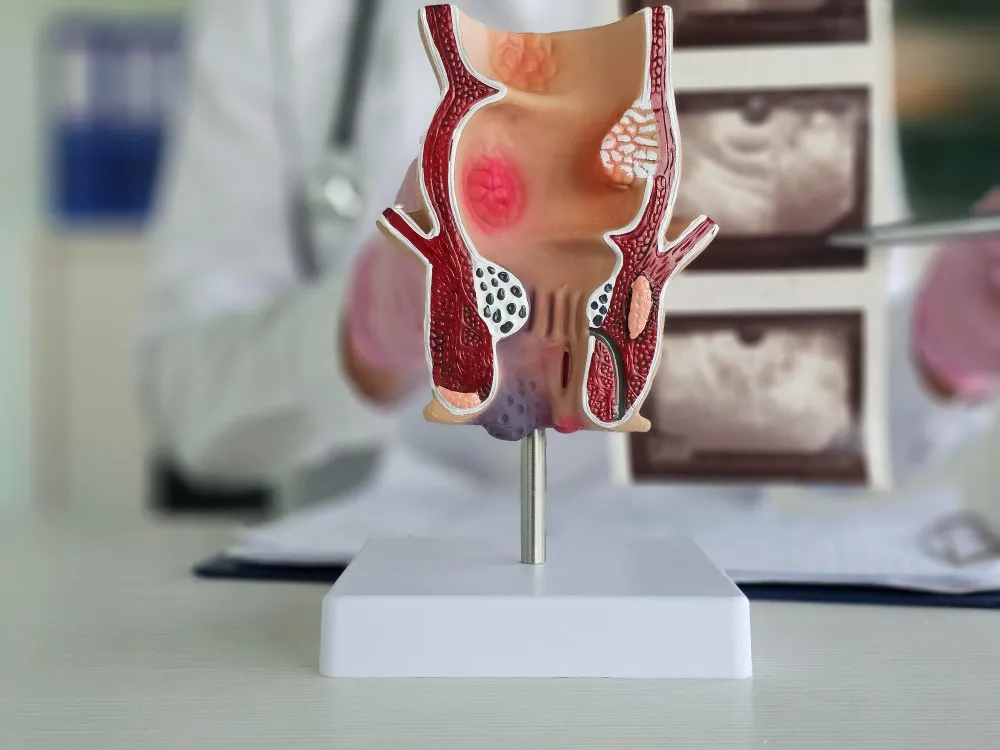
Selecting the right specialist is an important step for anyone experiencing persistent piles symptoms. While online reviews and recommendations may help narrow your options, they should not be the only factors influencing your decision. The Best Piles Specialist is someone who focuses on accurate diagnosis, explains treatment options clearly, and recommends care based on your individual condition rather than following the same approach for every patient.
Piles can vary significantly in severity. Some patients experience occasional discomfort that improves with lifestyle changes, while others may develop recurring bleeding, prolapsed piles, or persistent pain that requires advanced treatment. Receiving care from an experienced specialist helps ensure that treatment matches the stage of the condition.
Experience Matters in Accurate Diagnosis
Many anorectal disorders produce symptoms similar to piles. Conditions such as anal fissures, fistulas, rectal polyps, and infections may also cause bleeding, pain, or swelling.
A qualified specialist begins by identifying the exact cause of your symptoms before recommending treatment. This careful approach helps prevent unnecessary procedures and ensures that the management plan is based on medical findings rather than assumptions.
Characteristics of a Good Piles Specialist
Choosing a specialist involves more than checking qualifications. A patient-centred approach is equally important.
Look for a specialist who:
- Conducts a detailed clinical evaluation
- Explains the diagnosis in simple language
- Discusses both non-surgical and procedural treatment options
- Recommends investigations only when necessary
- Encourages questions and addresses patient concerns
- Provides follow-up guidance after treatment
Clear communication helps patients understand their condition and participate confidently in treatment decisions.
Treatment Should Be Personalised
There is no single treatment suitable for every patient with piles. The most appropriate option depends on several factors, including symptom severity, the grade of piles, medical history, and lifestyle.
After evaluation, treatment may include:
- Dietary and lifestyle modifications.
- Medicines for symptom control.
- Office-based procedures for selected cases.
- Laser treatment when clinically appropriate.
- Surgical management for advanced piles.
A specialist recommends the option that offers the greatest benefit while considering the patient's overall health and recovery expectations.
Questions to Ask Before Beginning Treatment
Patients often feel more confident when they clearly understand their treatment plan.
Helpful questions include:
- What grade of piles do I have?
- Why is this treatment recommended?
- Are there alternative treatment options?
- What should I expect during recovery?
- How can I reduce the chances of recurrence?
Discussing these topics helps establish realistic expectations and supports informed decision-making.
The Importance of Follow-Up Care
Successful treatment extends beyond the procedure itself. Follow-up appointments allow the specialist to monitor healing, address concerns, and guide patients on maintaining healthy bowel habits.
Simple lifestyle measures such as eating a fibre-rich diet, drinking adequate water, exercising regularly, and avoiding excessive straining continue to play an important role in long-term recovery.
Finding Specialised Care Close to You
For residents of Viman Nagar and surrounding areas of Pune, choosing a specialist with experience in anorectal disorders can make the treatment journey more reassuring. Dr. Gowri Singh evaluates each patient individually, taking time to understand the symptoms, determine the underlying condition, and recommend treatment based on clinical evidence and the patient's specific needs.
The Best Piles Specialist is not defined by a single procedure or technology. The right specialist provides accurate diagnosis, personalised treatment recommendations, transparent communication, and ongoing support throughout recovery. Taking the time to choose carefully can contribute to better treatment outcomes, improved comfort, and greater confidence in managing your health.
Keywords