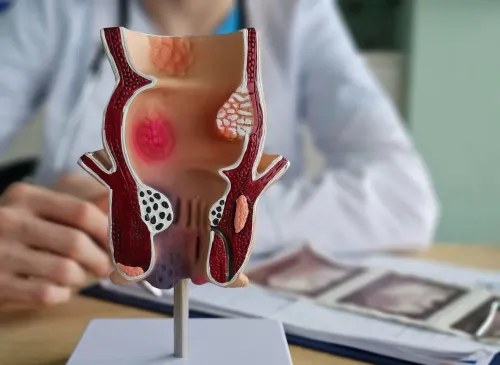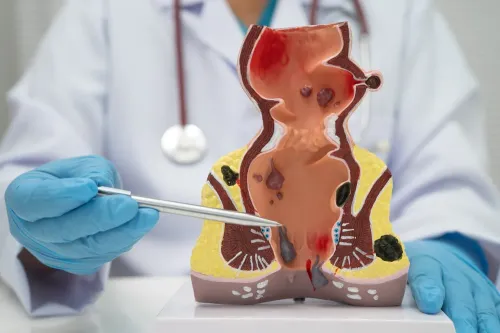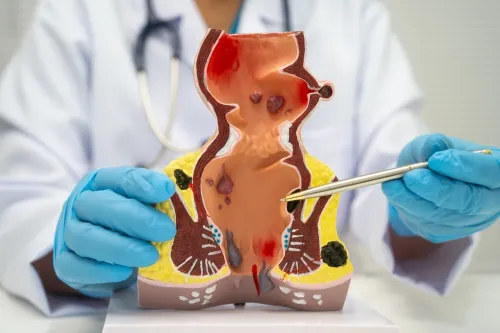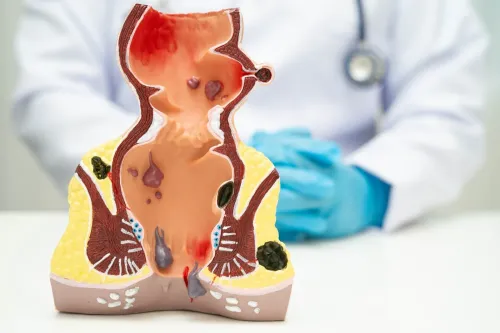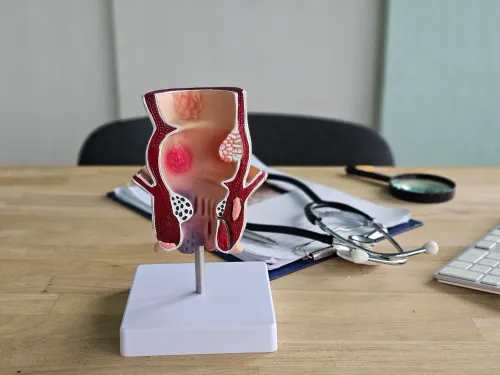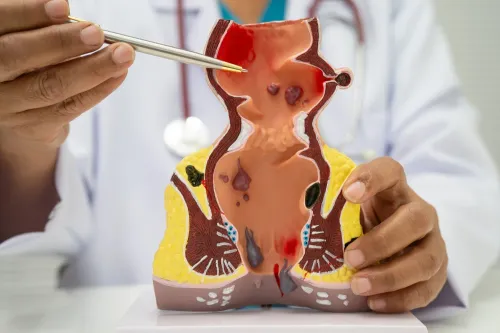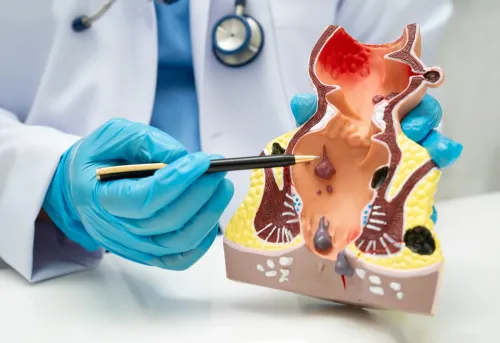
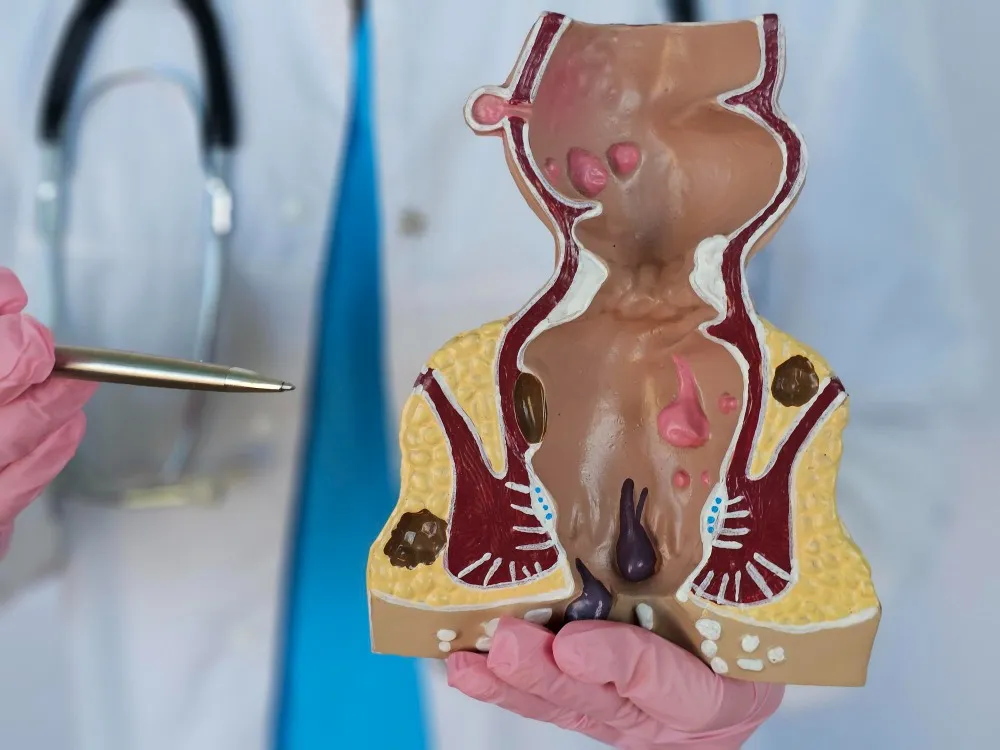
Piles, also known as hemorrhoids, are swollen vascular structures in or around the anal canal. Some people experience mild symptoms that improve with conservative measures, while others develop recurring bleeding, prolapse, irritation, or discomfort that requires medical assessment.
For patients in Kharadi, Pune, the right Piles Treatment depends on the type and severity of hemorrhoids rather than choosing a procedure simply because it is described as advanced.
How Piles Treatment Is Decided
Treatment usually begins with establishing whether the symptoms are actually caused by hemorrhoids.
Internal piles can be graded according to the degree of prolapse. External hemorrhoids have different characteristics and may require a different approach.
The doctor may consider:
- Frequency and amount of bleeding
- Pain or discomfort
- Prolapse during bowel movements
- Whether prolapsed tissue returns spontaneously
- Constipation and straining
- Previous treatment
- Other medical conditions
- Impact on everyday activities
Not every person with hemorrhoids requires an operation.
Conservative Care Can Be Important
For appropriate cases, early management may focus on reducing constipation and straining.
Increasing dietary fibre where suitable, drinking adequate fluids, avoiding prolonged sitting on the toilet, maintaining regular bowel habits, and using medicines prescribed for symptom relief may help.
These measures can also remain important after a procedure because treatment does not eliminate the bowel habits that may contribute to recurring symptoms.
When Procedures May Be Discussed
If symptoms persist despite conservative care, or if hemorrhoids are more advanced, the doctor may discuss an office-based procedure, minimally invasive technique, laser-based treatment, or conventional surgery depending on clinical findings.
No single Piles Treatment is automatically suitable for every grade or type of hemorrhoid.
The decision should consider the expected benefit, discomfort, recovery requirements, possible recurrence, costs, and risks associated with the proposed technique.
Preparing for Treatment
Preparation varies according to the planned procedure.
Patients should tell the surgeon about blood-thinning medicines, diabetes, hypertension, allergies, pregnancy, previous operations, and other relevant health issues. Medicines should not be stopped independently unless the treating doctor provides specific instructions.
Instructions about eating, drinking, bowel preparation, and arrival time should also be followed carefully when a procedure is scheduled.
Recovery After Treatment
Recovery time differs between conservative procedures and surgical approaches.
Some people can return to routine activities relatively quickly after selected minimally invasive procedures, while surgical treatment may require a longer recovery period. Pain, bowel movements, wound care, and the nature of a patient's work can all influence the timeline.
Following treatment, patients are commonly advised to avoid constipation, maintain hydration, take prescribed medicines, follow hygiene instructions, and gradually resume activities according to medical guidance.
Frequently Asked Questions
Can piles disappear without surgery?
Mild symptoms may improve with conservative management, but persistent or advanced hemorrhoids may require procedural treatment.
Does every case of rectal bleeding indicate piles?
No. Rectal bleeding has multiple possible causes. Diagnosis is important, particularly when bleeding is persistent or recurrent.
Can piles return after treatment?
Recurrence can occur. The likelihood varies with the type of treatment and contributing factors such as chronic constipation and straining.
How quickly can normal work resume?
It depends on the procedure, symptoms, type of work, and individual recovery.
Dr. Gowri Singh evaluates hemorrhoidal symptoms and related surgical conditions. Patients in Kharadi considering treatment can benefit from an assessment that identifies the condition and its severity before deciding between conservative, procedural, and surgical options.
Keywords