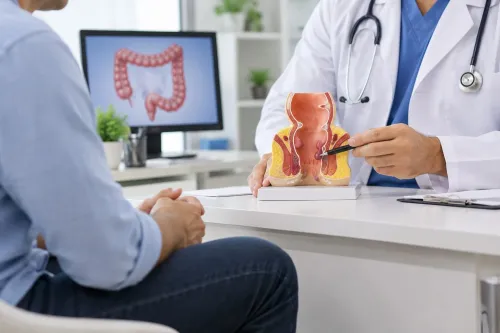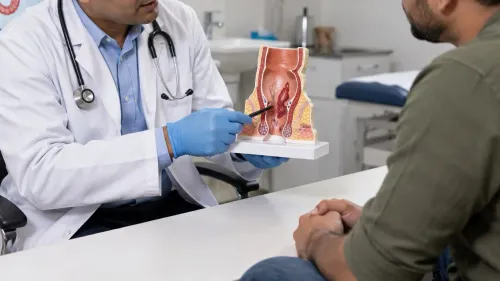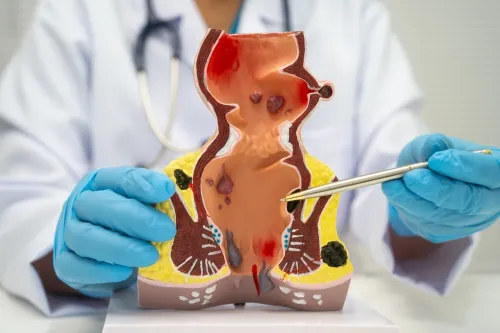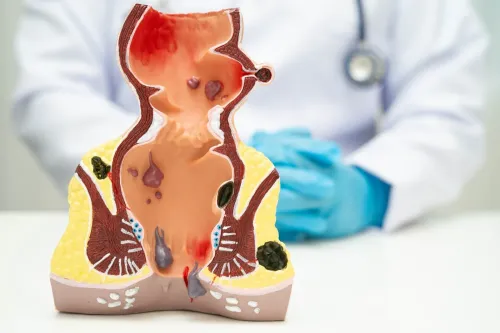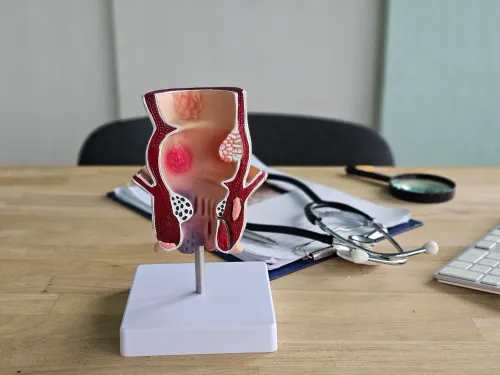
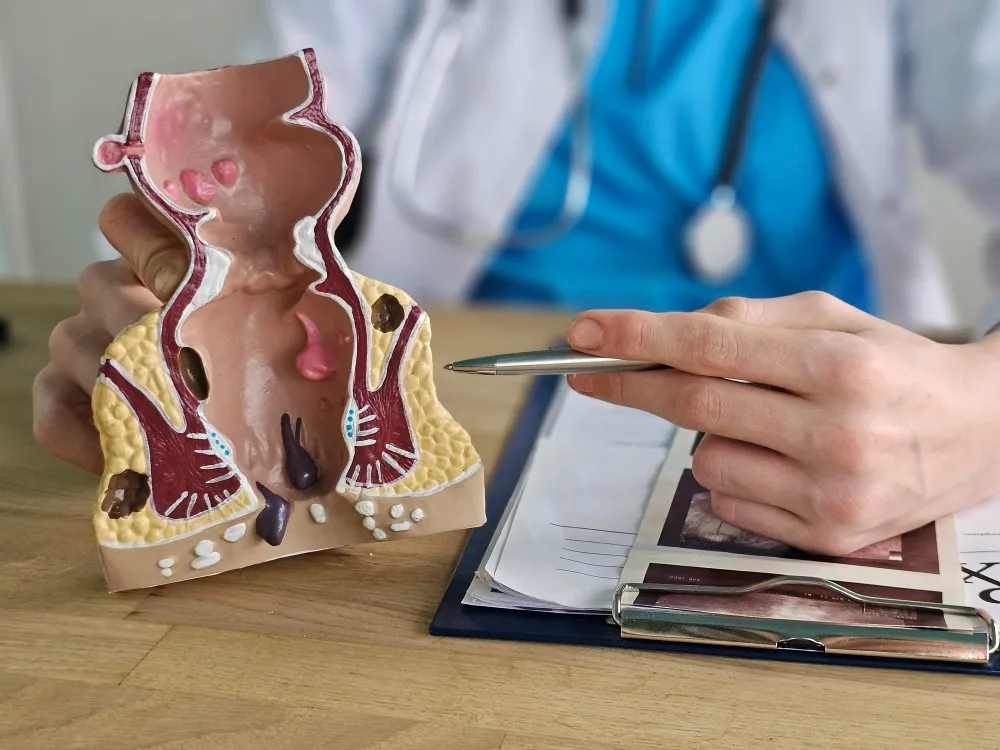
Rectal pain or bleeding can be alarming, but these symptoms are often ignored because people assume they are caused by temporary digestive issues or minor piles. While occasional discomfort may not always indicate a serious problem, persistent symptoms should never be overlooked. A timely consultation with a Proctologist can help identify the underlying cause and ensure that the right treatment begins before the condition worsens.
Who Is a Proctologist?
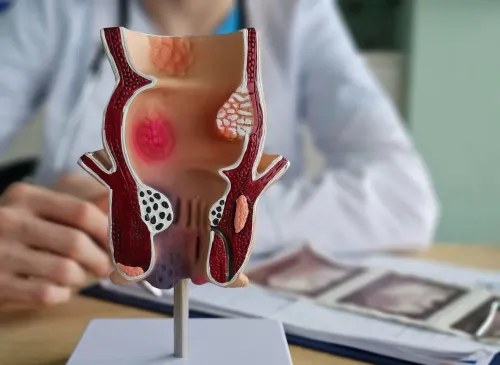
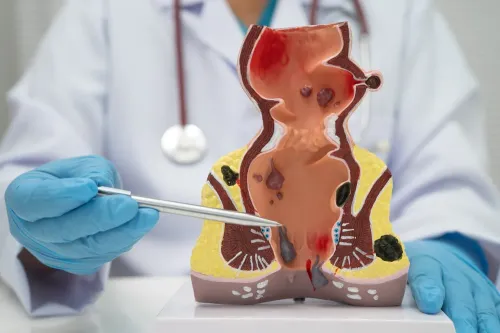
A Proctologist is a medical specialist trained to diagnose and treat conditions affecting the rectum, anus, and lower part of the digestive tract. These specialists commonly manage conditions such as piles, anal fissures, fistulas, pilonidal sinus, rectal polyps, and other anorectal disorders.
Many anorectal conditions produce similar symptoms, making it difficult to determine the exact problem without a proper clinical examination. Consulting a specialist helps ensure an accurate diagnosis and avoids unnecessary delays in treatment.
Symptoms That Should Not Be Ignored
Although occasional digestive discomfort is common, certain symptoms warrant medical attention.
You should consider consulting a Proctologist if you experience:
- Bright red bleeding during or after bowel movements
- Persistent pain around the anal region
- A lump near the anus
- Continuous itching or irritation
- Mucus discharge from the rectum
- Difficulty sitting because of pain
- Recurrent constipation accompanied by bleeding
- A feeling that the bowel never empties completely
These symptoms may be associated with piles, but they can also indicate fissures, fistulas, infections, inflammatory bowel disease, or other colorectal conditions. Self-diagnosis may delay appropriate care.
Why Early Evaluation Matters
Many anorectal disorders become progressively more uncomfortable if left untreated. What begins as occasional bleeding or mild discomfort may gradually develop into chronic pain, recurrent infections, or prolapsed piles.
Early diagnosis offers several advantages:
- Identifies the exact cause of symptoms
- Prevents complications associated with delayed treatment
- Allows conservative treatment whenever appropriate
- Helps distinguish benign conditions from more serious diseases
- Improves long-term recovery and quality of life
Ignoring symptoms simply because they are manageable today may result in more extensive treatment later.
What Happens During a Consultation?
Many patients hesitate to visit a specialist because they are unsure what to expect. In reality, the evaluation is usually straightforward and focuses on understanding your symptoms before recommending any investigations or treatment.
A consultation may include:
- A discussion about your symptoms and medical history.
- Questions regarding bowel habits, diet, and lifestyle.
- A physical examination of the affected area when required.
- Additional investigations only if clinically necessary.
The purpose of the examination is to identify the underlying condition accurately rather than making assumptions based solely on symptoms.
Can Lifestyle Habits Affect Anorectal Health?
Yes. Everyday habits play an important role in maintaining healthy bowel function.
Common risk factors include:
- Low-fibre diets
- Poor hydration
- Long hours of sitting
- Chronic constipation
- Excessive straining during bowel movements
- Lack of regular physical activity
Many professionals working in commercial areas such as Kharadi, Pune spend prolonged hours at their desks, making healthy eating and regular movement more challenging. Maintaining good bowel habits can help reduce the likelihood of developing anorectal problems.
Choosing the Right Specialist
Not every case of rectal pain or bleeding requires surgery, but every persistent symptom deserves an accurate diagnosis. Consulting a qualified Proctologist ensures that treatment is based on the actual condition rather than assumptions or temporary symptom relief.
Dr. Gowri Singh evaluates patients with a wide range of anorectal disorders, helping determine whether symptoms are related to piles, fissures, fistulas, or other colorectal conditions before recommending an appropriate treatment plan.
Persistent rectal pain or bleeding should never be considered a normal part of daily life. Seeking timely medical advice from an experienced Proctologist allows patients to receive the right diagnosis, understand their treatment options, and address the condition before it begins to interfere with everyday comfort and overall health.
Keywords