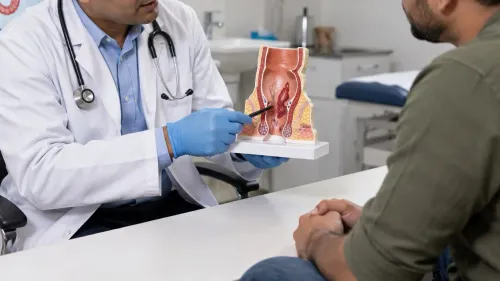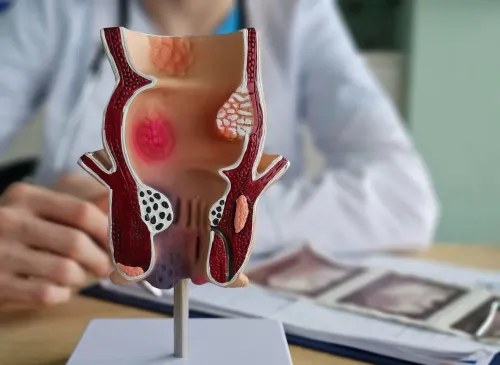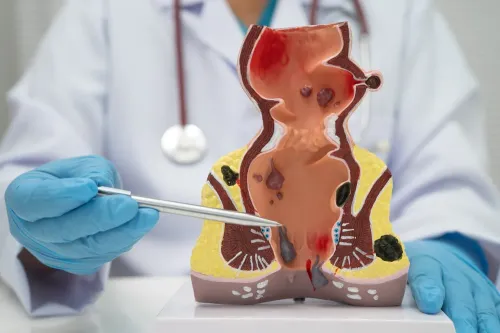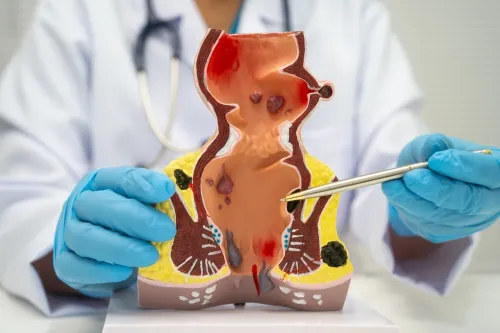
Choosing the right hospital is an important part of receiving appropriate treatment for piles. While many people focus only on the treatment method, the quality of diagnosis, available facilities, and the expertise of the medical team also influence the overall patient experience. Understanding what to look for can help you make an informed decision when searching for the Best Piles Hospital.
Piles can range from mild discomfort to a condition that affects everyday activities. Early diagnosis and evidence-based treatment often lead to better outcomes, making the choice of hospital an important consideration rather than an afterthought.
Why the Choice of Hospital Matters
A hospital does much more than provide treatment. It offers the clinical support needed to accurately diagnose anorectal conditions, assess their severity, and recommend the most suitable management plan.
A well-equipped hospital also ensures that patients have access to proper investigations, modern treatment options, and follow-up care whenever required.
Selecting the right healthcare facility can improve confidence throughout the treatment journey and reduce unnecessary delays.
Features to Look for in a Piles Hospital
When comparing healthcare providers, it is helpful to evaluate practical factors instead of relying only on advertisements or online ratings.
A good hospital should offer:
- Experienced specialists in anorectal disorders
- Comprehensive diagnostic facilities
- Modern treatment options based on clinical need
- Clear explanation of treatment plans
- Proper infection control practices
- Structured follow-up after treatment
- Transparent communication throughout the consultation process
These factors contribute to safer care and a better overall patient experience.
Questions You Should Ask Before Choosing a Hospital
Patients often compare hospitals based only on location or convenience. Asking the right questions provides a clearer understanding of the quality of care available.
Consider discussing:
- What diagnostic process is followed before treatment?
- Which treatment options are available for different stages of piles?
- Will lifestyle advice be included as part of treatment?
- What follow-up care is provided after the procedure?
- How is recovery monitored?
The answers can help you understand whether the hospital follows a patient-centred approach.
Why Accurate Diagnosis Comes Before Treatment
Not every patient with rectal bleeding or anal pain has piles. Similar symptoms may occur because of anal fissures, fistulas, infections, inflammatory bowel disease, or other colorectal conditions.
An experienced medical team focuses on identifying the exact cause before recommending any procedure. This reduces the possibility of unnecessary treatment and ensures that patients receive care appropriate to their condition.
Looking Beyond Technology Alone
Modern equipment and minimally invasive procedures are valuable, but they should not be the only deciding factors.
The Best Piles Hospital combines experienced clinical judgement with appropriate technology. Treatment recommendations should always be based on the patient's symptoms, examination findings, and overall health rather than promoting a particular procedure.
This balanced approach helps achieve better long-term outcomes and supports safer recovery.
Finding Reliable Care Close to Home
For residents of Wadgaon Sheri and nearby areas of Pune, having access to specialised anorectal care can make the treatment process more convenient, particularly when multiple consultations or follow-up visits are needed.
Dr. Gowri Singh manages patients with piles and related anorectal conditions by emphasising careful evaluation, evidence-based treatment, and personalised care. Every recommendation is made after assessing the patient's clinical condition rather than following a standard treatment pathway.
Searching for the Best Piles Hospital should involve more than finding the nearest facility. A hospital that provides accurate diagnosis, experienced medical care, appropriate treatment options, and continuous patient support is better positioned to deliver effective outcomes. Taking time to evaluate these factors helps patients receive treatment that addresses both their immediate symptoms and their long-term anorectal health.
Keywords