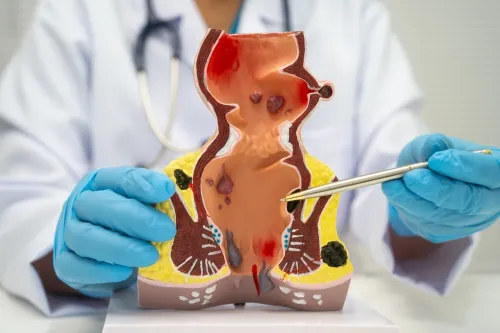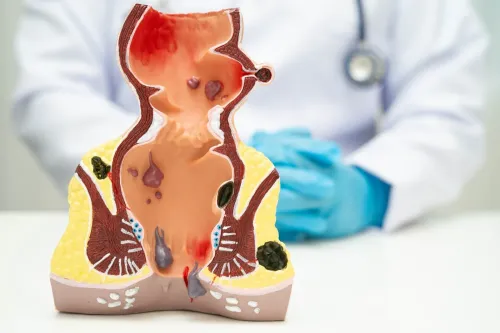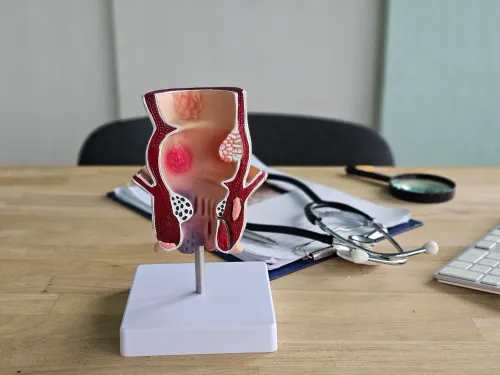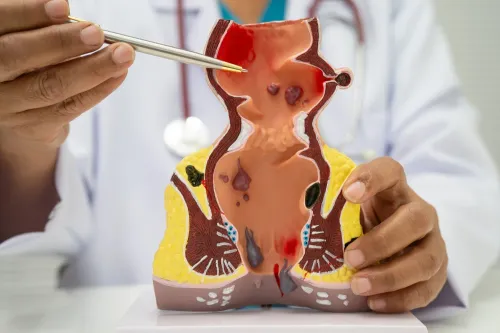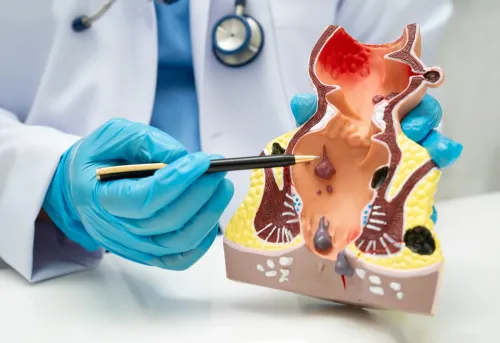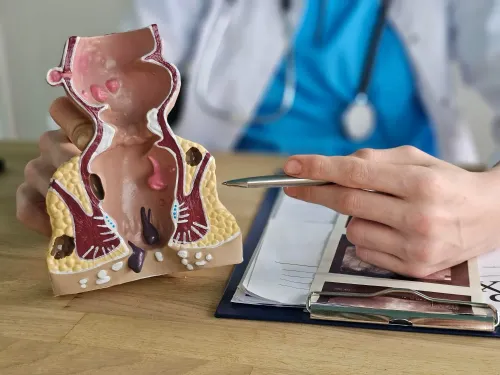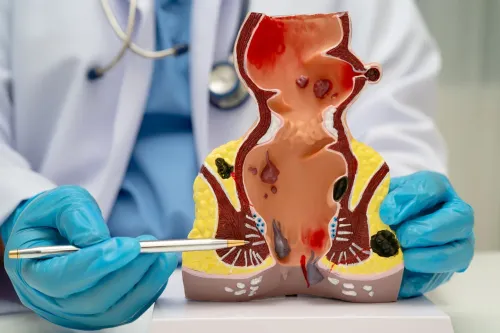
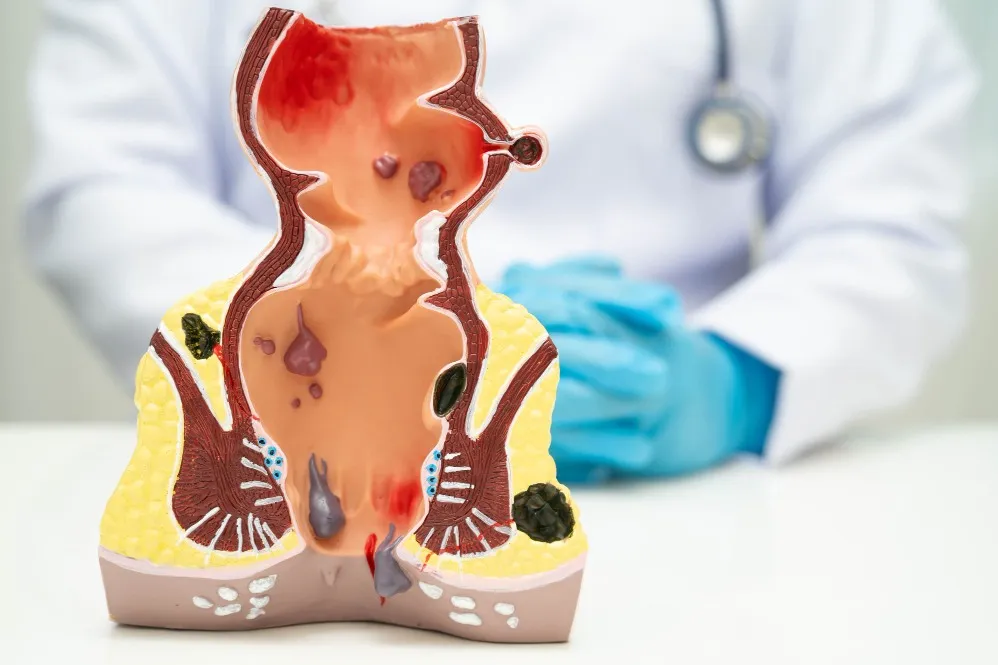
A diagnosis of piles often makes people worry that surgery is unavoidable. In reality, treatment depends on the severity of the condition, the symptoms you experience, and your overall health. Many individuals benefit from conservative care, while others may require minimally invasive procedures or surgery. Learning about the available piles treatment options helps patients approach medical care with greater confidence.
How Treatment Is Decided
No single treatment works for everyone. A specialist first evaluates:
- The grade of piles
- Duration of symptoms
- Presence of bleeding
- Pain severity
- Prolapse of hemorrhoids
- Existing medical conditions
- Lifestyle and bowel habits
This assessment helps determine the most suitable approach.
Conservative Treatment for Early Piles
Early-stage piles often improve with non-surgical management.
Common recommendations include:
- Increasing dietary fibre
- Drinking more water
- Using prescribed medications
- Warm sitz baths
- Avoiding prolonged sitting on the toilet
- Improving bowel habits
These measures aim to reduce swelling, minimise irritation, and prevent constipation from worsening the condition.
When Advanced Treatment May Be Needed
If symptoms continue despite conservative care, additional procedures may be considered. Depending on the individual case, treatment options may include:
- Rubber band ligation
- Injection therapy
- Infrared coagulation
- Laser treatment for piles
- Conventional surgical procedures
Each option has specific indications, and the choice depends on clinical findings rather than patient preference alone.
Why Early Assessment Matters
Ignoring symptoms can allow piles to progress from mild swelling to larger prolapsed hemorrhoids that may require more advanced treatment.
Early consultation offers several advantages:
- Accurate diagnosis
- Better symptom control
- Reduced risk of complications
- Wider range of treatment choices
- Guidance on preventing recurrence
Prompt evaluation also helps rule out other conditions that can cause rectal bleeding or pain.
Supporting Recovery Through Lifestyle
Regardless of the treatment method, maintaining healthy habits plays an important role in long-term recovery.
Patients are commonly advised to:
- Consume a fibre-rich diet
- Stay physically active
- Maintain adequate hydration
- Avoid excessive straining
- Follow prescribed medications
- Attend follow-up appointments
These measures reduce pressure on the anal veins and support normal bowel function.
For residents of Kharadi, Pune, long working hours and sedentary office routines often contribute to constipation-related problems. Paying attention to bowel health and seeking timely medical advice can help prevent symptoms from becoming more severe.
Clinics led by specialists such as Dr. Gowri Singh focus on identifying the exact cause of anorectal symptoms before recommending treatment. Understanding the available piles treatment options allows patients to make informed healthcare decisions and seek appropriate care at the right stage of the condition.
Keywords