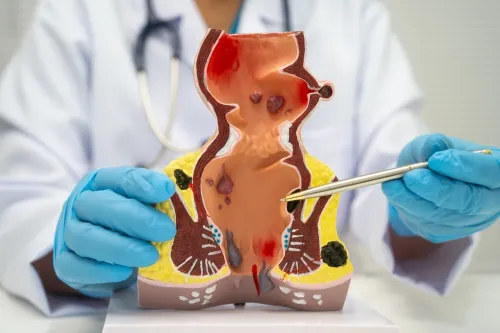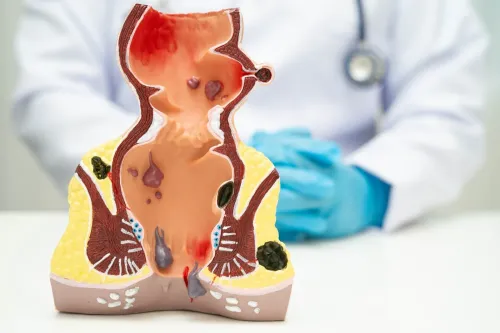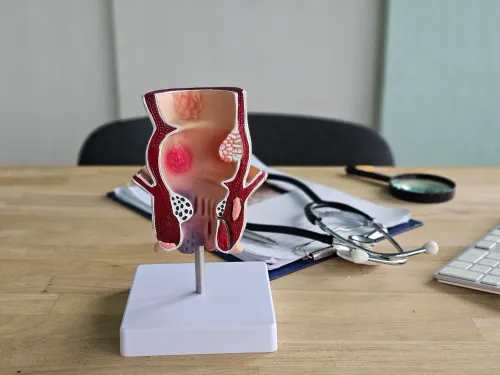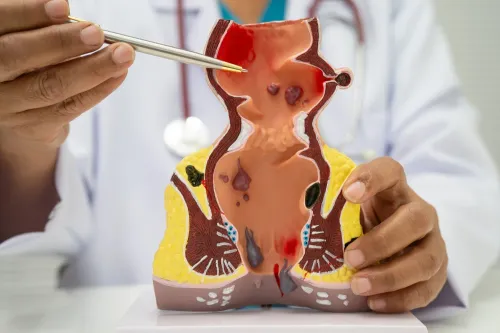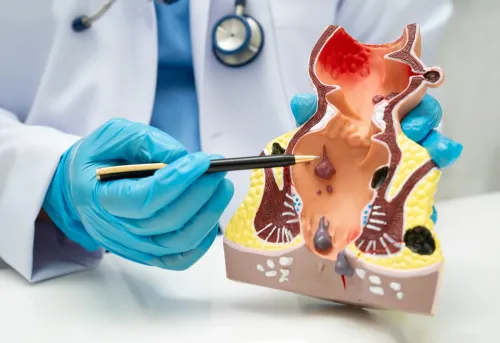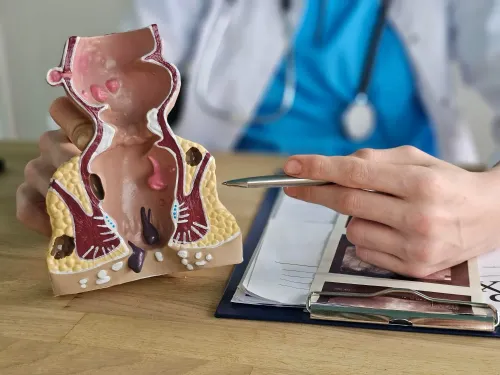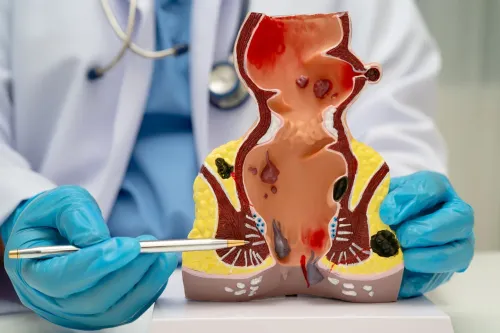
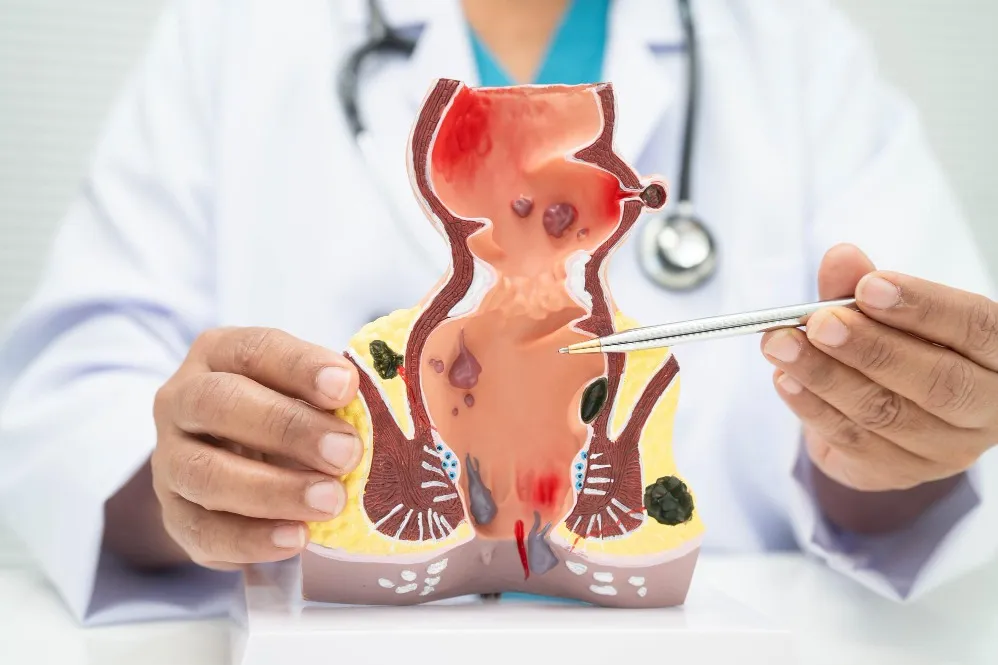
Choosing a specialist for piles treatment is about more than finding someone who performs advanced procedures. Patients also need accurate diagnosis, clear communication, personalised treatment planning, and appropriate follow-up care. Understanding what happens before, during, and after treatment can help you feel more confident when consulting the Best Laser Piles Doctor.
Laser treatment has become an effective option for selected patients, but it is not recommended simply because it is available. An experienced specialist first determines whether laser treatment is clinically appropriate before suggesting it as part of the treatment plan.
The First Consultation Focuses on Diagnosis
Every successful treatment begins with identifying the exact cause of the symptoms. Bleeding, pain, itching, and swelling around the anal region are commonly associated with piles, but they can also occur because of anal fissures, fistulas, infections, or other colorectal conditions.
During the initial consultation, the doctor typically evaluates:
- The duration and severity of symptoms
- Previous treatment history
- Bowel habits
- Medical conditions that may influence treatment
- Lifestyle factors contributing to constipation
This comprehensive assessment helps ensure that the recommended treatment is suitable for the patient's condition.
Understanding Whether Laser Treatment Is Appropriate
Laser treatment is not automatically the first recommendation for every patient with piles. The decision depends on several clinical factors.
Laser treatment may be considered when:
- Symptoms continue despite conservative treatment
- Bleeding occurs repeatedly
- Internal piles have progressed to a stage requiring intervention
- Daily activities are affected by pain or discomfort
- The patient is medically suitable for the procedure
A responsible specialist explains why laser treatment is being recommended and discusses alternative options whenever appropriate.
What Makes the Consultation Different?
Patients often appreciate consultations that are informative rather than rushed.
An experienced specialist usually takes time to:
- Explain the diagnosis clearly
- Describe the stage of the disease
- Discuss available treatment options
- Explain expected recovery
- Answer questions honestly
- Recommend preventive lifestyle changes
This approach allows patients to make informed decisions instead of feeling pressured into a particular procedure.
Preparing for Treatment
Once treatment is planned, patients are generally advised about the preparation required.
This may include:
- Following dietary instructions before the procedure.
- Informing the doctor about ongoing medications.
- Managing constipation before treatment.
- Understanding post-procedure care.
- Planning adequate rest during the recovery period.
Careful preparation contributes to a smoother treatment experience.
Recovery Is an Important Part of Treatment
Recovery does not end when the procedure is completed. Healthy bowel habits continue to play an essential role in preventing recurrence.
Most patients are encouraged to:
- Consume a fibre-rich diet.
- Drink enough water throughout the day.
- Avoid unnecessary straining.
- Stay physically active as advised.
- Attend follow-up appointments.
These measures support healing and improve long-term anorectal health.
Choosing a Specialist with Confidence
For people living in Kharadi and nearby parts of Pune, access to specialised anorectal care makes it easier to receive timely diagnosis and appropriate treatment. Selecting a specialist should involve evaluating clinical experience, communication, patient-centred care, and evidence-based treatment recommendations rather than focusing only on technology.
Dr. Gowri Singh approaches piles management by carefully assessing each patient's condition before recommending treatment. Every decision is guided by clinical findings, ensuring that patients receive care suited to their individual needs.
The Best Laser Piles Doctor is one who prioritises accurate diagnosis, explains every stage of treatment clearly, and recommends the most appropriate solution based on the patient's condition. When patients understand what to expect throughout the treatment journey, they can make healthcare decisions with greater confidence and peace of mind.
Keywords