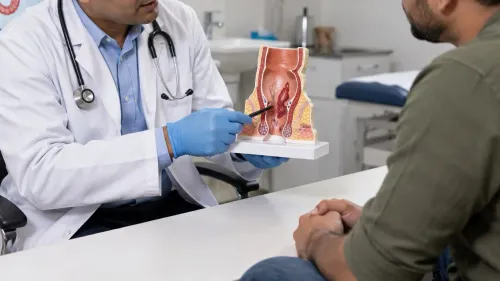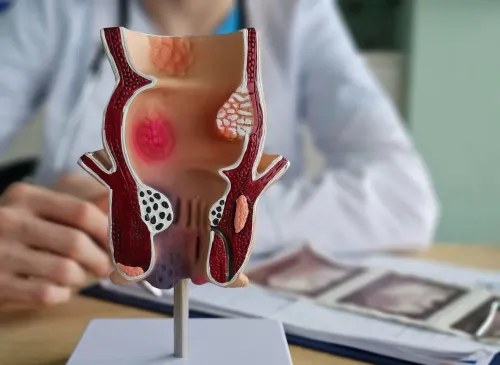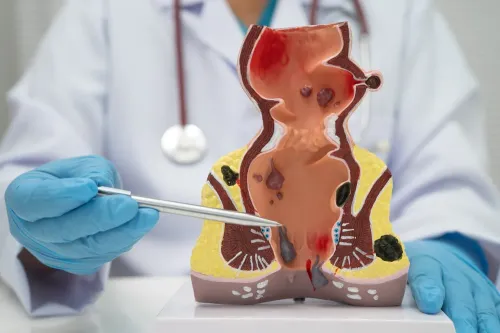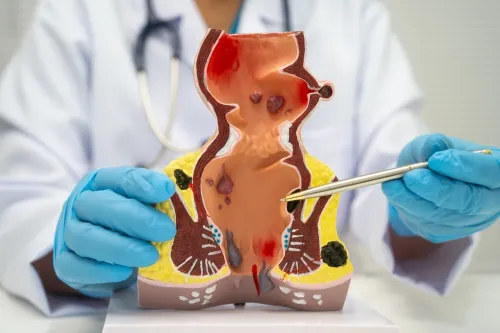
Finding the right doctor is one of the most important decisions when dealing with piles. While the internet offers countless treatment options and recommendations, not every source provides reliable medical guidance. Choosing a qualified Piles Doctor ensures that the condition is diagnosed correctly and that treatment is based on clinical findings rather than assumptions.
Many people seek medical care only after symptoms begin affecting their daily routine. By then, discomfort, bleeding, or recurring pain may have progressed beyond what simple home remedies can manage. Understanding what to look for in a specialist can help patients receive timely and appropriate care.
Why the Right Diagnosis Matters
Rectal bleeding, pain, itching, or swelling are commonly linked to piles, but they are not exclusive to this condition. Similar symptoms can also occur because of anal fissures, fistulas, infections, rectal polyps, or inflammatory bowel diseases.
An experienced Piles Doctor focuses on identifying the actual cause before recommending treatment. Accurate diagnosis prevents unnecessary medication, inappropriate procedures, and delays in managing the underlying condition.
Qualities to Consider When Choosing a Piles Doctor
Selecting a specialist should involve more than searching for the nearest clinic. Consider factors that directly influence the quality of care.
Look for a doctor who:
- Has experience in diagnosing and treating anorectal disorders.
- Explains the condition and available treatment options clearly.
- Recommends investigations only when clinically required.
- Offers both conservative and advanced treatment approaches.
- Creates an individual treatment plan instead of using the same approach for every patient.
A consultation should leave patients with a better understanding of their condition and the reasons behind the recommended treatment.
Questions Worth Asking During Your Consultation
Patients often forget to ask important questions during their appointment. Preparing a few questions in advance can help you make informed decisions.
Consider asking:
- What is causing my symptoms?
- What stage is my condition?
- Can it be managed without a procedure?
- What treatment options are suitable for me?
- What are the expected recovery timelines?
- How can I reduce the risk of recurrence?
Open communication helps patients understand both the diagnosis and the treatment plan.
Signs That Medical Attention Should Not Be Delayed
While mild symptoms may sometimes improve with lifestyle changes, certain situations require prompt evaluation.
Seek medical advice if you experience:
- Frequent or heavy rectal bleeding
- Severe pain around the anal region
- A prolapsed lump that does not reduce
- Recurrent symptoms despite medication
- Difficulty performing routine activities because of discomfort
Early intervention often allows simpler treatment and may prevent complications.
Lifestyle Advice That Supports Recovery
Treatment is only one part of long-term management. Healthy habits can improve bowel function and reduce the likelihood of future problems.
Helpful practices include:
- Eating a fibre-rich diet.
- Drinking enough water every day.
- Staying physically active.
- Avoiding prolonged sitting on the toilet.
- Preventing constipation whenever possible.
These measures support recovery regardless of the treatment method recommended.
Making an Informed Choice
Patients living in Viman Nagar and nearby areas of Pune often have access to multiple healthcare providers, making it important to evaluate experience, communication, and treatment philosophy rather than choosing solely on convenience. A consultation should focus on understanding the patient's symptoms, confirming the diagnosis, and discussing evidence-based treatment options.
Dr. Gowri Singh evaluates patients with piles and other anorectal conditions by carefully assessing the severity of the disease before recommending the most appropriate management plan. This patient-focused approach helps ensure that treatment decisions are guided by clinical need rather than assumptions.
Choosing the right Piles Doctor is not simply about finding someone who can provide treatment. It is about partnering with a specialist who can accurately diagnose the condition, explain the available options, and support long-term anorectal health through personalised medical care.
Keywords