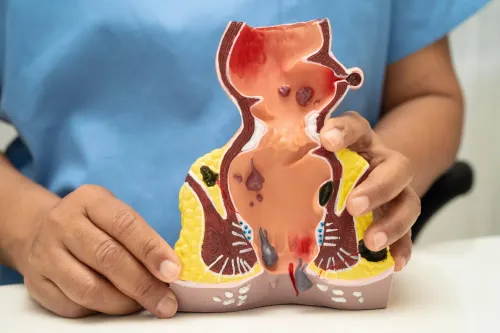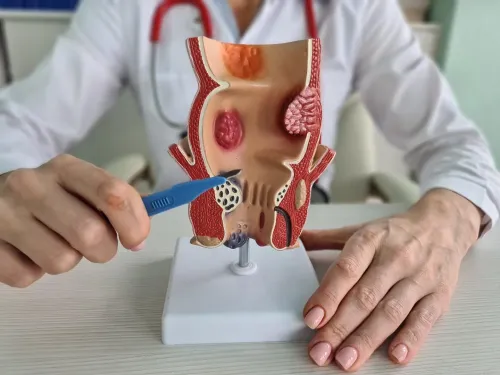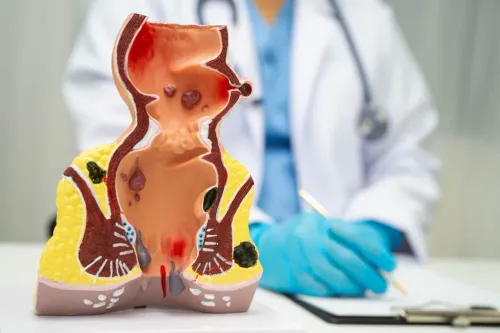
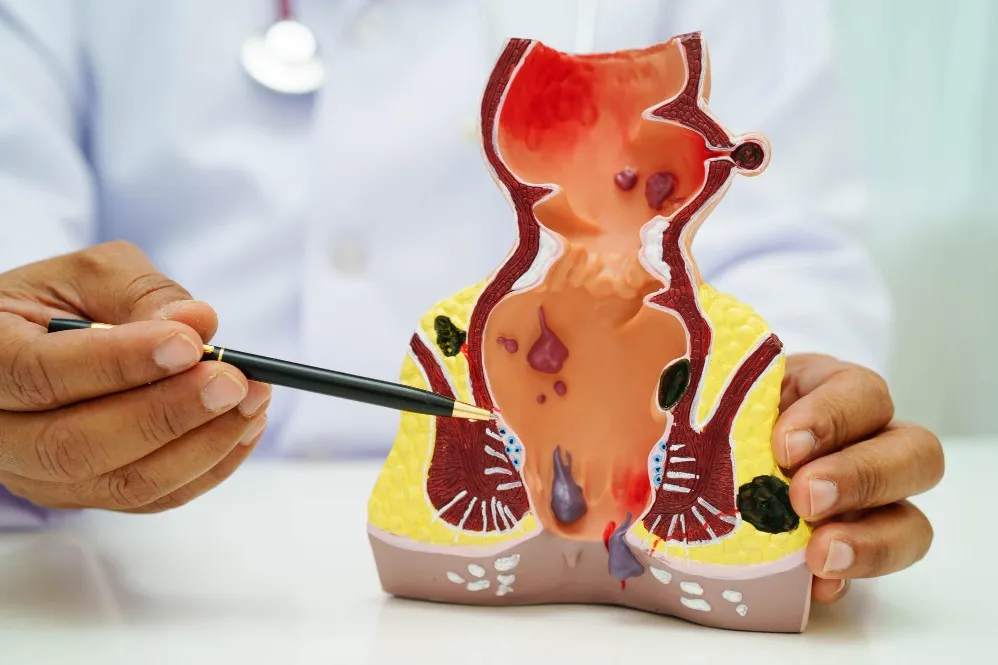
Many people initially manage anal discomfort with dietary changes, over-the-counter products, or home remedies. This can be reasonable for mild, short-lived symptoms, but repeated bleeding, persistent pain, prolapse, or recurring swelling should not simply be treated indefinitely without a diagnosis.
A Piles Doctor can determine whether hemorrhoids are actually responsible and whether conservative management remains appropriate.
For patients in Wadgaon Sheri, Pune, recognising the signs that need evaluation can prevent unnecessary delays.
Symptoms That Deserve Medical Attention
Piles can cause bright red bleeding, itching, irritation, swelling, and prolapse. Some internal hemorrhoids cause bleeding without significant pain.
However, medical evaluation becomes particularly important when:
- Bleeding repeatedly returns.
- Pain becomes severe or persistent.
- A lump remains outside the anus.
- There is pus or persistent discharge.
- Symptoms do not improve with basic measures.
- Bowel habits change unexpectedly.
- There is unexplained weakness or weight loss.
- Fever accompanies swelling or increasing pain.
Severe bleeding, fainting, black or tarry stools, or rapidly worsening symptoms can require prompt medical assessment.
Why Self-Diagnosis Can Be Misleading
Piles are not the only anorectal condition.
An anal fissure typically causes sharp pain associated with bowel movements. A fistula may produce recurring discharge or an opening near the anus. An abscess may cause painful swelling and sometimes fever.
Other gastrointestinal conditions can also cause rectal bleeding.
A Piles Doctor therefore evaluates the pattern of symptoms before deciding on treatment.
What Happens During Consultation
The doctor generally reviews bowel habits, duration of symptoms, constipation, bleeding, prolapse, previous episodes, medication use, and relevant medical history.
A physical or anorectal examination may be advised. Depending on age, symptoms, clinical findings, and risk factors, further investigation may sometimes be appropriate.
The objective is not merely to confirm piles but also to determine their type and severity.
What Treatment Might Involve
Early hemorrhoidal symptoms may sometimes be managed with fibre, adequate fluid intake, reduced straining, appropriate toilet habits, and medicines.
Persistent or advanced cases may require procedural intervention. Options vary and may include minimally invasive techniques, laser-assisted treatment, other hemorrhoid procedures, or surgery.
The most appropriate method depends on the individual diagnosis.
Preparing for a Procedure
When treatment beyond medicines is recommended, patients should provide a complete medication list and disclose diabetes, heart conditions, allergies, previous surgery, pregnancy, and use of blood thinners.
Pre-procedure fasting or bowel preparation requirements depend on the technique and anaesthesia plan.
What Recovery May Look Like
There is no universal recovery time for piles procedures.
The expected period varies with the treatment used, extent of disease, individual healing, occupation, and other health factors. Some minimally invasive procedures may allow an earlier return to routine activities than more extensive surgery, but individual recovery still differs.
During recovery, avoiding constipation is particularly important. Patients should follow instructions regarding diet, hydration, medicines, wound hygiene, sitting, exercise, and return to work.
Frequently Asked Questions
Can I wait if bleeding occurs only occasionally?
A single mild episode may have a benign explanation, but recurrent or unexplained bleeding deserves assessment.
Does severe pain mean severe piles?
Not necessarily. Pain intensity alone does not establish hemorrhoid grade and may indicate another condition.
Will treatment stop piles from returning forever?
Recurrence remains possible, especially when contributing bowel habits continue.
Can I choose laser treatment immediately?
Treatment should ideally follow diagnosis. Laser techniques are appropriate for selected cases rather than every patient.
Dr. Gowri Singh assesses piles, fissures, fistulas, and other general surgical concerns. Patients in Wadgaon Sheri with persistent symptoms can use a consultation to identify the cause and understand whether conservative care or procedural treatment is indicated.
Keywords