Piles are one of the most common anorectal conditions, affecting millions of people every year. Despite being highly treatable, many individuals delay seeking medical advice because they assume the symptoms are temporary or feel uncomfortable discussing the problem. Unfortunately, postponing care can allow the condition to progress, making treatment more complicated than it needs to be.
Understanding the early signs of piles and knowing when Piles Treatment may be required can help you make informed healthcare decisions and prevent unnecessary discomfort.
What Are Piles?
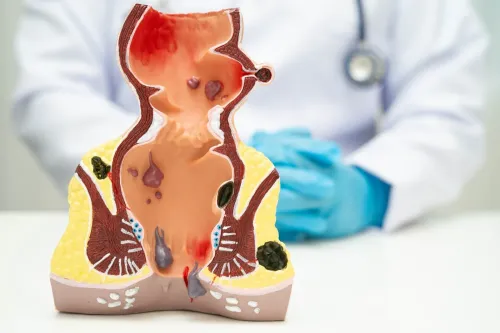
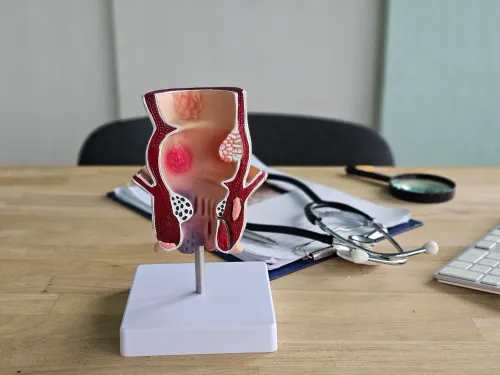
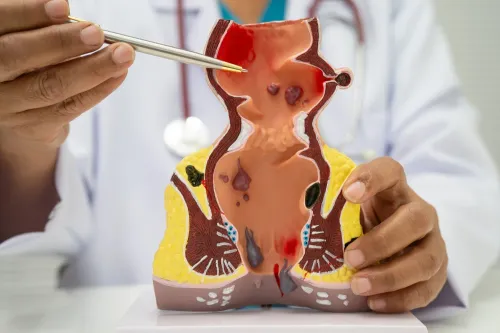
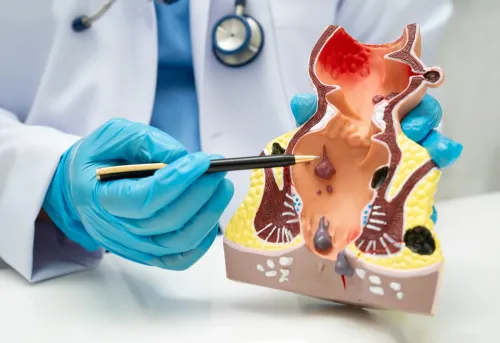
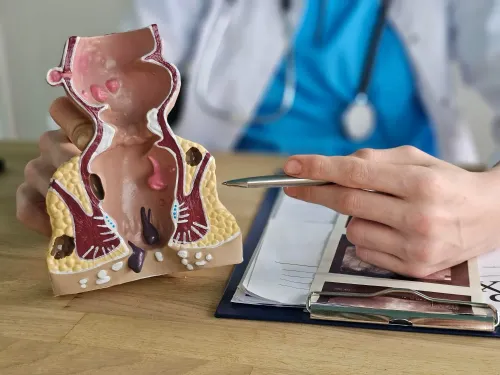
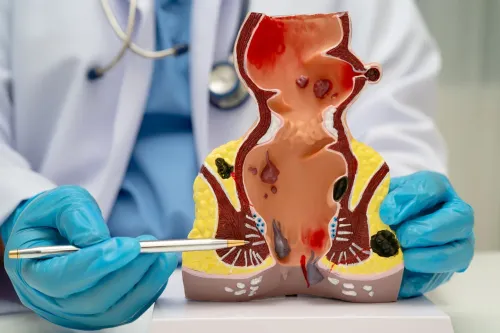
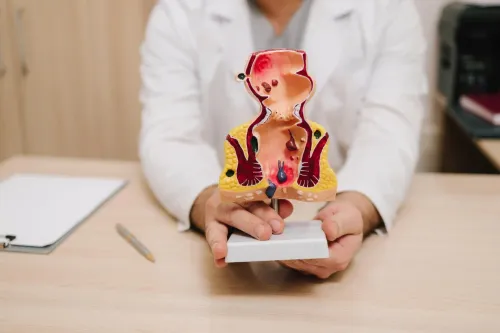
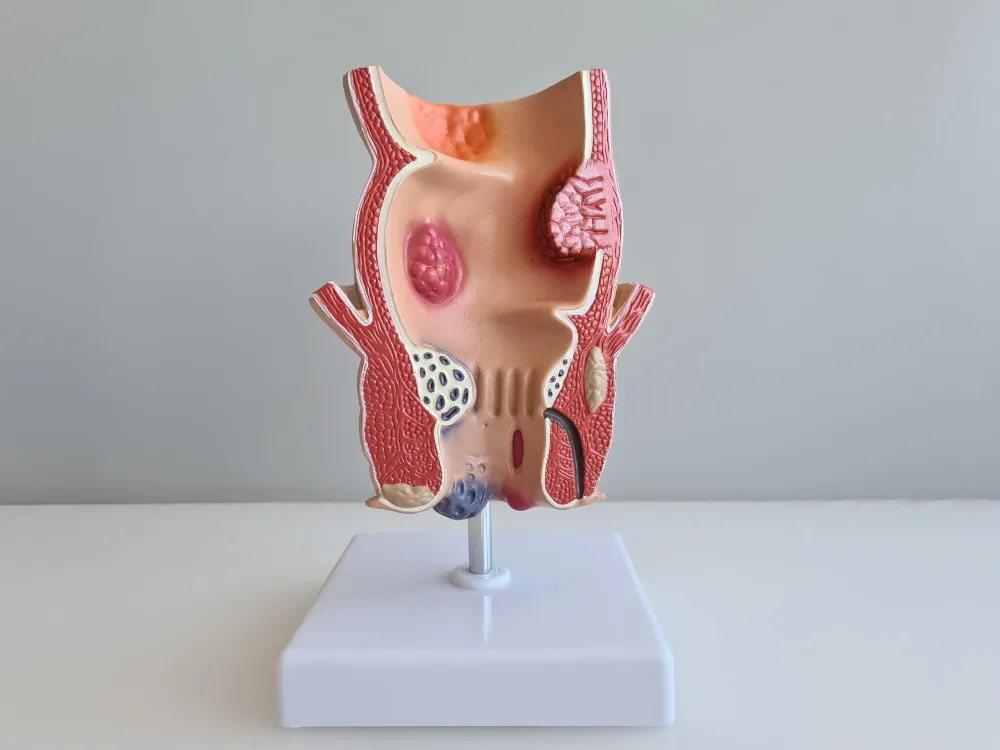
Piles, also known as hemorrhoids, are swollen and inflamed veins located inside the rectum or around the anus. They develop when excessive pressure is placed on the veins in the lower rectum, causing them to enlarge.
Piles are generally classified into two types:
- Internal piles, which develop inside the rectum and are usually painless but may bleed.
- External piles, which form under the skin around the anus and can cause pain, swelling, and irritation.
The severity of symptoms varies from person to person, which is why early evaluation is important whenever symptoms persist.
Common Early Signs You Should Not Ignore
Many people experience mild symptoms long before piles become severe. Paying attention to these warning signs can help prevent the condition from worsening.
Some of the most common symptoms include:
- Bright red bleeding during or after passing stools
- Itching or irritation around the anal region
- Pain or discomfort while sitting
- Swelling near the anus
- A small lump that may appear during bowel movements
- A feeling that the bowel has not emptied completely
- Mucus discharge after passing stools
Although these symptoms are frequently associated with piles, they can also occur with anal fissures, fistulas, infections, or other colorectal conditions. A proper medical examination is therefore essential for an accurate diagnosis.
Why Do Piles Develop?
Several everyday habits and health conditions increase the risk of developing piles. Some of the most common causes include:
- Chronic constipation
- Frequent straining during bowel movements
- Sitting on the toilet for extended periods
- Low-fibre diets
- Inadequate water intake
- Obesity
- Pregnancy
- Sedentary lifestyles
- Heavy lifting on a regular basis
Working professionals who spend long hours sitting, particularly in growing residential and commercial areas such as Viman Nagar in Pune, may also experience digestive issues that contribute to constipation and increase the likelihood of developing piles.
When Is Piles Treatment Necessary?
Not every case requires a medical procedure. Mild piles often improve with conservative treatment when addressed early.
Treatment may involve:
- Increasing dietary fibre
- Drinking adequate water
- Regular physical activity
- Stool-softening medications when advised
- Prescription medicines to reduce swelling and discomfort
However, medical evaluation becomes important if bleeding continues, pain becomes severe, a prolapsed pile does not return inside, or symptoms repeatedly recur despite lifestyle changes. Early diagnosis also helps rule out other conditions that may require different treatment.
Can Piles Be Prevented?
While not every case can be prevented, healthy bowel habits significantly reduce the risk.
Simple preventive measures include:
- Eat a fibre-rich diet every day.
- Drink sufficient water to keep stools soft.
- Avoid delaying bowel movements.
- Exercise regularly to support healthy digestion.
- Avoid excessive straining while passing stools.
- Limit prolonged sitting on the toilet.
These small lifestyle changes can improve bowel health and lower the chances of recurrent piles.
Understanding the Importance of Early Diagnosis
Ignoring symptoms simply because they seem manageable can lead to complications such as persistent bleeding, thrombosed external piles, or prolapsed hemorrhoids. Seeking timely evaluation allows the condition to be identified at an earlier stage, when treatment is often simpler and recovery is faster.
For people living in and around Viman Nagar, accessing specialised anorectal care without delaying symptoms can make a meaningful difference. Dr. Gowri Singh focuses on evaluating patients with piles and related colorectal conditions using an approach based on accurate diagnosis and the severity of the disease rather than symptoms alone.
Recognising the warning signs early and understanding the available options for Piles Treatment empowers patients to make informed decisions. Instead of relying on self-diagnosis or temporary remedies, consulting a qualified specialist when symptoms persist can help restore comfort, improve quality of life, and prevent the condition from progressing further.
Keywords