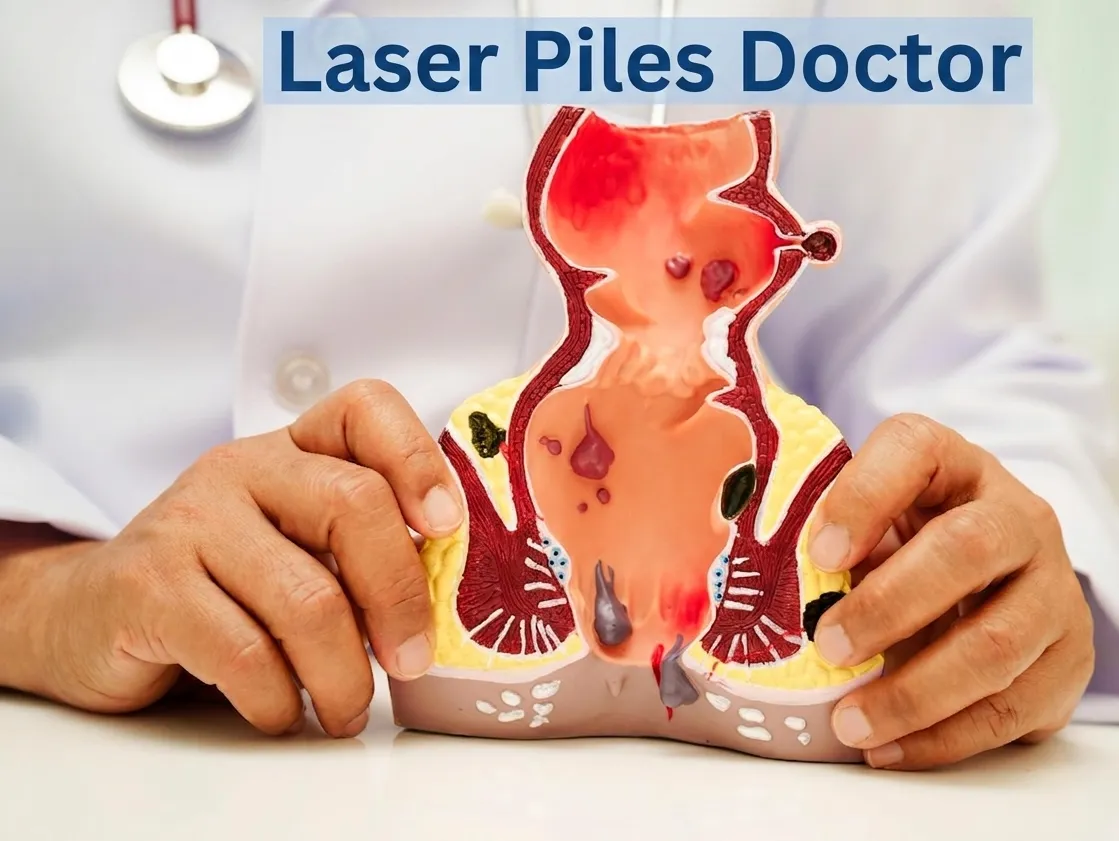
Receiving a diagnosis of piles often leads to many questions about the available treatment options. Some patients wonder whether medicines will be enough, while others want to know if a minimally invasive procedure is the better choice. The answer depends on the stage of the condition, the severity of symptoms, and the patient's overall health. A qualified Laser Piles Doctor evaluates these factors before recommending the most appropriate treatment plan.
Choosing treatment based solely on online information or personal recommendations may not always produce the desired results. Every patient experiences piles differently, which is why an individual assessment is essential.
Why Every Patient Needs a Personalised Evaluation
Piles are not the same in every case. Some patients have mild internal piles that respond well to dietary changes and medication, while others develop larger prolapsed piles that interfere with daily activities.
During a consultation, the doctor typically evaluates:
- The type and grade of piles
- Frequency of bleeding
- Pain and discomfort
- Duration of symptoms
- Previous treatments received
- Overall medical history
This assessment helps determine the safest and most effective treatment approach.
When Conservative Treatment May Be Recommended
Not every patient requires a medical procedure. In the early stages, symptoms often improve with non-surgical management.
Conservative treatment may include:
- Increasing fibre intake
- Drinking sufficient water
- Regular physical activity
- Prescription medicines when appropriate
- Improving bowel habits
- Managing constipation effectively
Many patients experience significant improvement by following these recommendations consistently under medical guidance.
When Laser Treatment May Be Considered
A Laser Piles Doctor may recommend laser treatment when symptoms continue despite conservative care or when clinical examination indicates that a minimally invasive procedure would provide better long-term relief.
Laser treatment may be considered for patients who have:
- Recurrent bleeding
- Prolapsing internal piles
- Persistent discomfort
- Repeated episodes despite medication
- Difficulty performing everyday activities because of piles
The decision is always based on clinical findings rather than patient preference alone.
Benefits of a Structured Treatment Plan
One of the advantages of consulting a specialist is receiving treatment that is tailored to your condition rather than relying on temporary symptom relief.
A personalised treatment plan aims to:
- Relieve current symptoms
- Prevent unnecessary progression
- Reduce the likelihood of recurrence
- Improve bowel health
- Support faster recovery whenever possible
This comprehensive approach often produces better long-term outcomes than self-treatment alone.
Questions Worth Asking During Your Consultation
Patients can make better treatment decisions by discussing their concerns openly.
Helpful questions include:
- What stage are my piles?
- Why is a particular treatment being recommended?
- Is laser treatment suitable for my condition?
- What lifestyle changes should I make?
- How can I reduce the chances of recurrence?
Understanding these aspects helps patients participate actively in their treatment decisions.
Why Timely Medical Advice Matters
Delaying treatment because symptoms appear manageable may allow the condition to become more advanced over time. Persistent bleeding, increasing pain, or repeated flare-ups should always be assessed by a qualified specialist.
For people living in Vishrantwadi and nearby areas of Pune, long working hours, sedentary lifestyles, and irregular eating habits can contribute to constipation, which remains a major risk factor for piles. Early medical evaluation allows treatment to begin before symptoms significantly affect daily life.
Dr. Gowri Singh carefully evaluates each patient's condition before recommending the most appropriate course of treatment. Rather than following a standard approach for every case, the treatment plan is based on the severity of the disease, the patient's medical history, and their individual healthcare needs.
Consulting an experienced Laser Piles Doctor provides clarity about the condition and the available treatment options. A personalized evaluation helps patients understand what will work best for their specific situation, leading to informed decisions and better long-term anorectal health.
Keywords