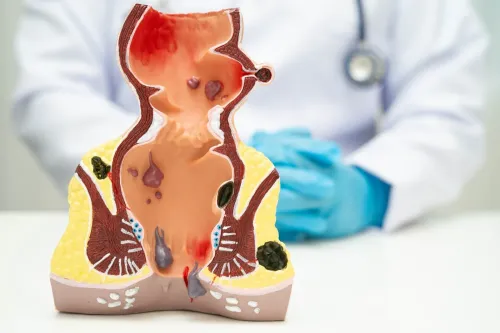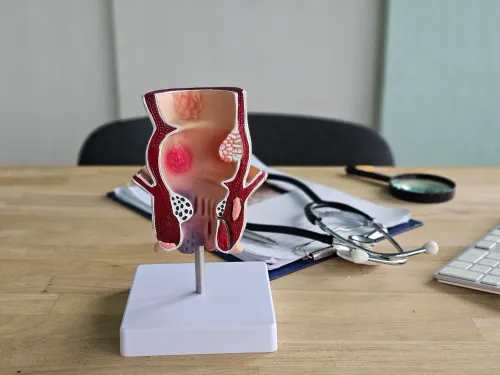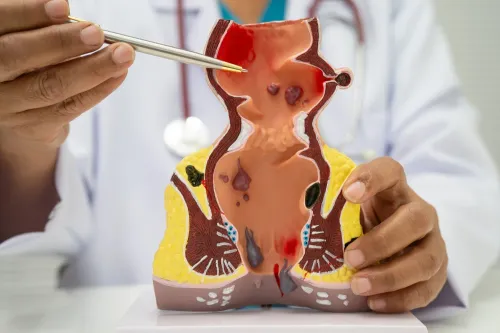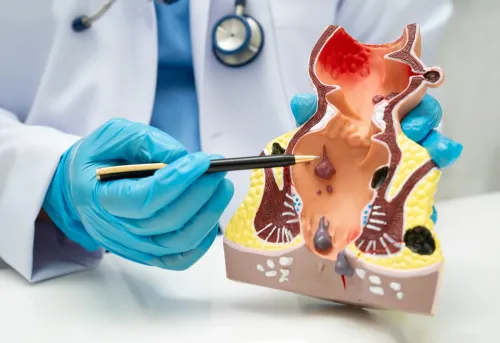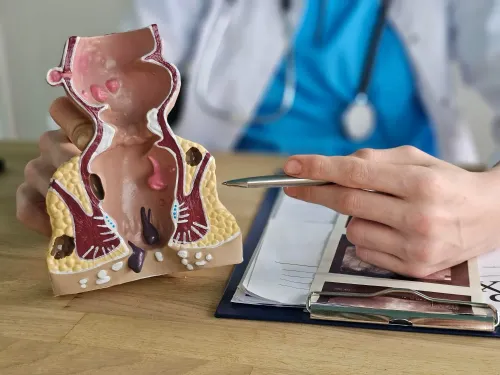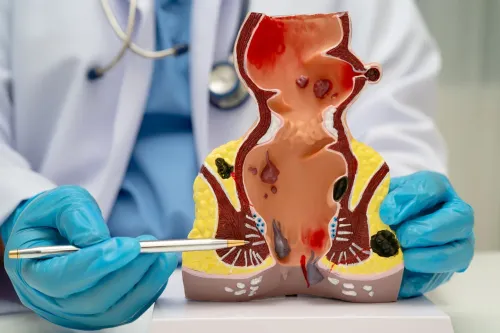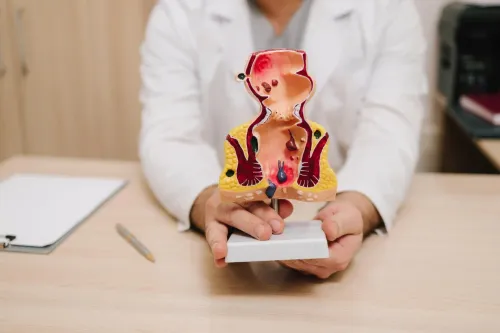
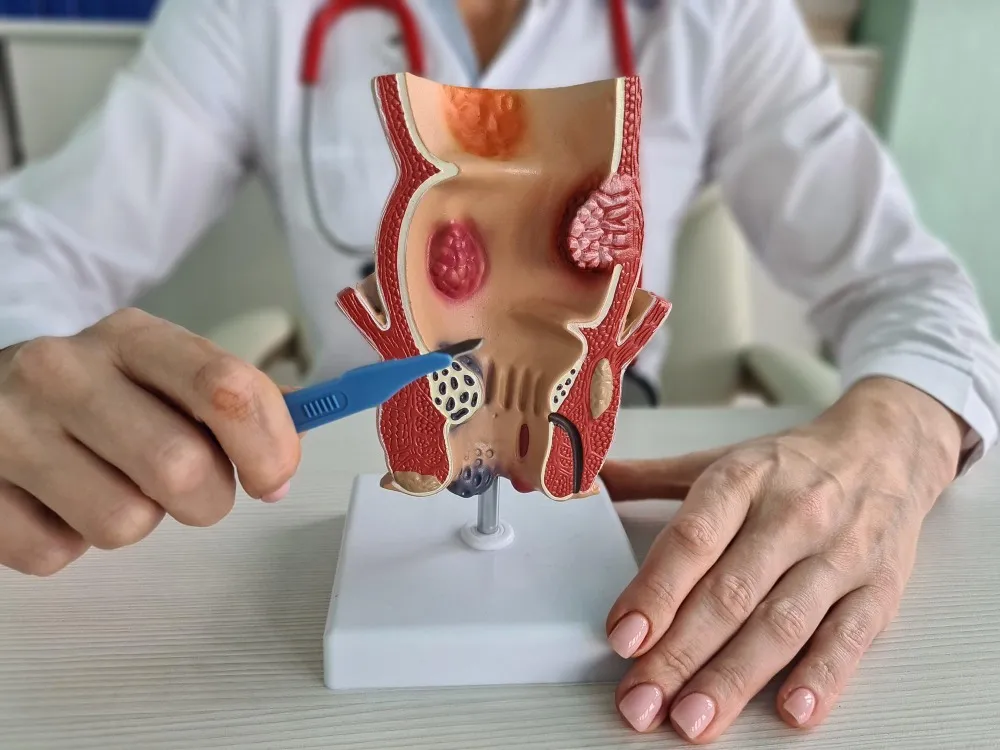
Rectal bleeding, pain while passing stool, itching, swelling, and a lump near the anus are frequently associated with piles. However, these symptoms can overlap with anal fissures, fistulas, infections, and other conditions.
A consultation with a Piles Specialist is therefore primarily about establishing the diagnosis before selecting treatment.
For people in Vishrantwadi, Pune, knowing what happens during an evaluation can make the process more straightforward.
What a Piles Specialist Needs to Know
The consultation generally starts with the symptoms rather than the procedure a patient believes they need.
Useful information includes when bleeding began, whether blood is bright red, whether there is pain during or after passing stool, whether a lump appears during bowel movements, and whether there is discharge.
The doctor may also ask about:
- Constipation
- Hard stools
- Straining
- Dietary habits
- Previous piles treatment
- Family and medical history
- Current medications
- Changes in bowel habits
This information helps determine the appropriate examination and whether additional investigation is required.
Why Diagnosis Matters Before Treatment
A common mistake is treating every episode of anal bleeding as hemorrhoids.
Anal fissures can produce pain and bleeding. Fistulas may cause recurrent discharge or swelling. Infections and other bowel or anorectal conditions can also produce symptoms that resemble piles.
Persistent bleeding, unexplained weight loss, altered bowel habits, anaemia, or other concerning features may require further investigation based on the patient's age, history, and clinical findings.
Understanding the Severity of Piles
Internal hemorrhoids may be classified according to prolapse.
Less advanced hemorrhoids may remain inside the anal canal or protrude temporarily and return naturally. More advanced cases may require manual reduction or remain prolapsed.
Severity is only one factor in deciding treatment. The frequency of bleeding, discomfort, previous episodes, response to conservative measures, and individual health also matter.
Treatment Can Range From Simple Measures to Surgery
A Piles Specialist may recommend bowel-habit changes and medical management for suitable early cases.
When conservative care is insufficient, procedural options can be considered. Depending on the diagnosis, these may include office-based procedures, minimally invasive approaches, laser-assisted techniques, or conventional surgery.
Each approach has different indications, limitations, risks, and recovery expectations.
Preparing for Possible Treatment
If a procedure is advised, patients should ask what treatment is being proposed and why it is appropriate for their particular condition.
Important questions include whether anaesthesia is needed, how long the procedure usually takes, what discomfort to expect, when bowel movements can resume normally, and when work or exercise may be restarted.
Patients taking anticoagulants or antiplatelet medicines should inform their surgeon. Medication changes should only be made under appropriate medical guidance.
Recovery and Ongoing Care
Post-treatment care frequently focuses on comfortable bowel movements and avoiding excessive straining.
Adequate fluids, fibre when appropriate, prescribed medicines, hygiene, and activity recommendations can support recovery. Follow-up is important if bleeding persists, pain increases, fever develops, or there are other unexpected symptoms.
Questions Patients Commonly Ask
Is an examination necessary even when symptoms seem typical of piles?
An appropriate examination helps confirm the diagnosis and identify alternative causes.
Does prolapse automatically require surgery?
Not necessarily. Treatment depends on the degree of prolapse, symptoms, clinical findings, and other factors.
Can treatment permanently prevent piles?
No treatment can guarantee that hemorrhoids will never recur.
Should painless bleeding be ignored?
No. Recurrent or unexplained rectal bleeding should be medically assessed.
Dr. Gowri Singh provides consultation for piles and related proctological concerns. For patients in Vishrantwadi, a diagnosis-led consultation can clarify whether symptoms are due to hemorrhoids and which management approach is appropriate.
Keywords