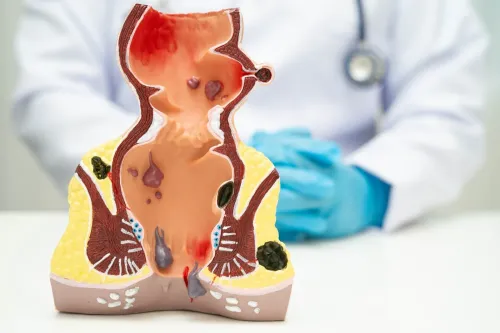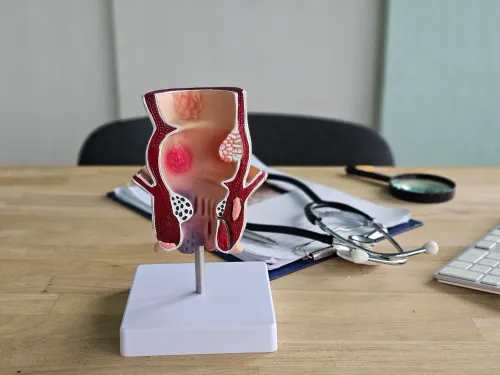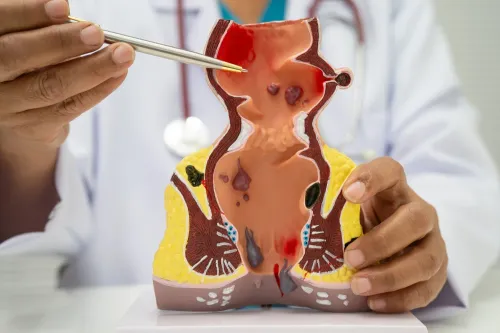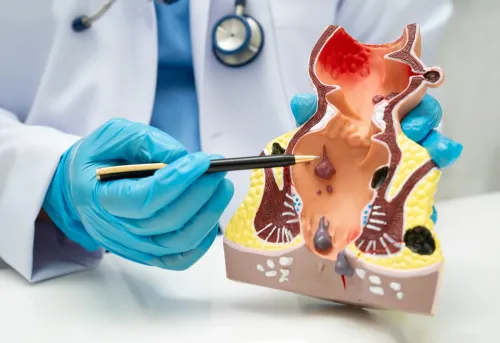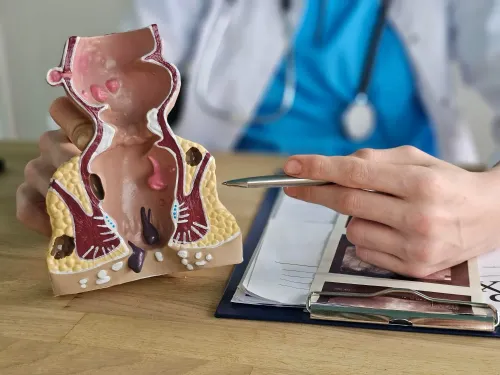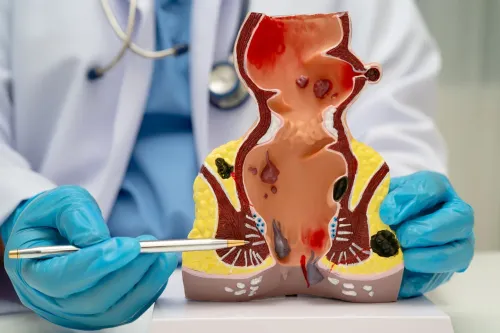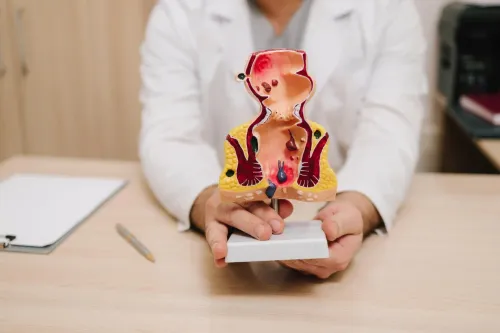
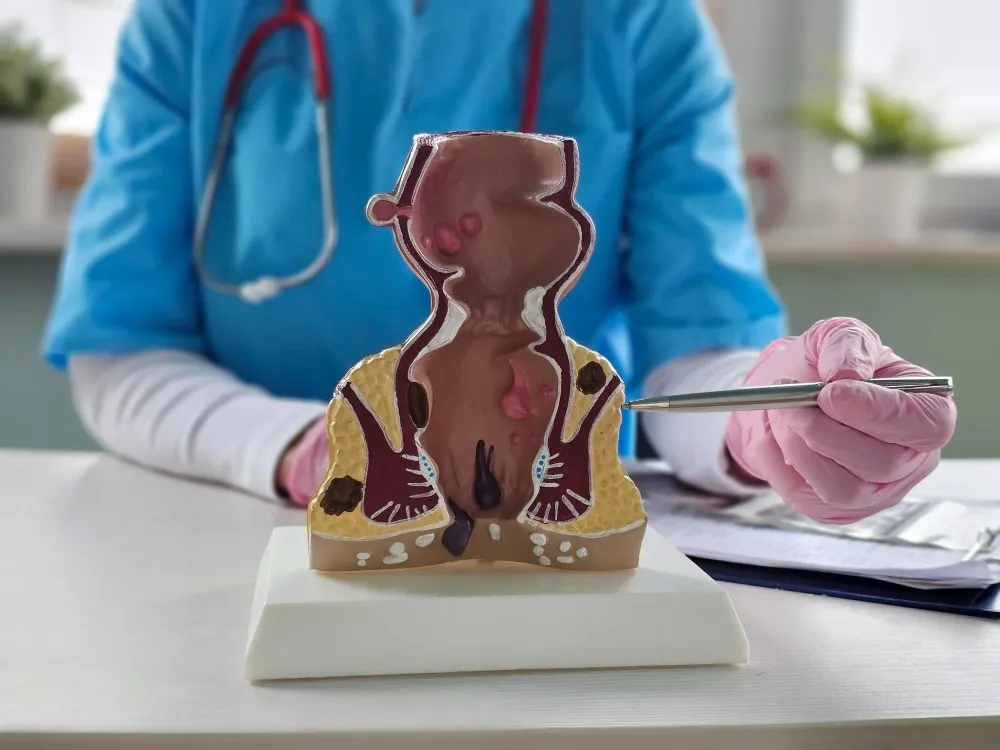
Piles are one of the most common anorectal conditions affecting adults, yet many cases are linked to everyday habits that can be improved. While not every case is preventable, adopting a healthier lifestyle can significantly reduce the risk of developing piles and may also help prevent existing symptoms from worsening. Understanding these preventive measures is beneficial for anyone who wants to maintain good digestive and colorectal health.
Why Lifestyle Matters
Piles develop when excessive pressure is placed on the veins in the lower rectum and anus. Over time, this pressure causes the veins to enlarge, leading to discomfort, swelling, itching, and bleeding.
Several routine habits contribute to this pressure, including poor dietary choices, prolonged sitting, inadequate hydration, and chronic constipation.
Making gradual changes to these habits can improve bowel function and reduce unnecessary strain.
Build a Fibre-Rich Diet
One of the simplest ways to promote healthy bowel movements is by increasing fibre intake. Fibre softens stools, making them easier to pass.
Good sources include:
- Fresh fruits
- Green leafy vegetables
- Whole grains
- Oats
- Lentils
- Beans
- Seeds
Rather than making sudden dietary changes, increase fibre gradually while drinking enough water to avoid bloating.
Stay Hydrated Every Day
Water plays an important role in keeping stools soft. Adults should aim for adequate fluid intake throughout the day, especially during warmer months or when physically active.
Replacing sugary beverages with water can also support overall digestive health.
Avoid Sitting for Long Periods
Modern work routines often involve sitting for several hours without movement. This can increase pressure around the pelvic region.
Simple ways to reduce prolonged sitting include:
- Standing every hour
- Taking short walks
- Stretching between tasks
- Using stairs whenever possible
Regular movement also benefits circulation and general health.
Develop Healthy Toilet Habits
Many people unknowingly increase pressure during bowel movements.
Helpful practices include:
- Avoid delaying the urge to pass stools.
- Do not strain excessively.
- Limit time spent on the toilet.
- Avoid using mobile phones while sitting on the toilet.
- Maintain a consistent daily routine.
These habits encourage smoother bowel movements and reduce unnecessary pressure on rectal veins.
Exercise Supports Digestive Health
Physical activity stimulates bowel function and lowers the risk of constipation.
Walking, cycling, swimming, and light strength training are suitable options for most adults. Even 30 minutes of moderate exercise on most days can make a noticeable difference.
Residents of Vishrantwadi, Pune, particularly those with desk-based jobs or sedentary lifestyles, may benefit from incorporating regular movement into their daily schedules to support bowel health.
Know When Prevention Is Not Enough
Lifestyle changes are valuable, but they cannot reverse every stage of piles. If symptoms such as bleeding, persistent pain, swelling, or prolapse continue despite healthy habits, medical evaluation becomes important.
An experienced Piles Specialist can determine whether symptoms are caused by hemorrhoids or another anorectal condition requiring different treatment.
Dr. Gowri Singh advises patients that prevention and early diagnosis work best together. Maintaining healthy habits while seeking timely evaluation for persistent symptoms can help reduce complications and support long-term colorectal well-being.
Keywords