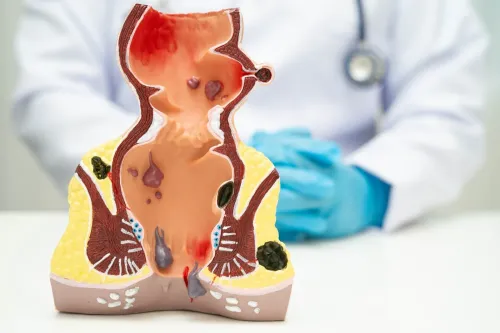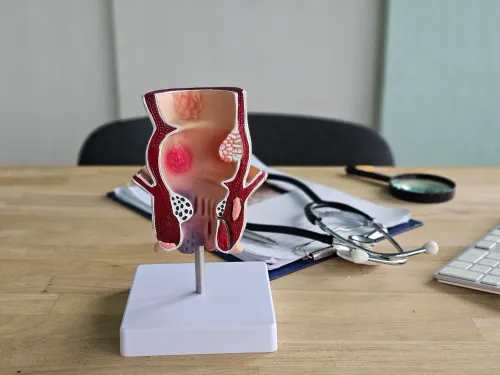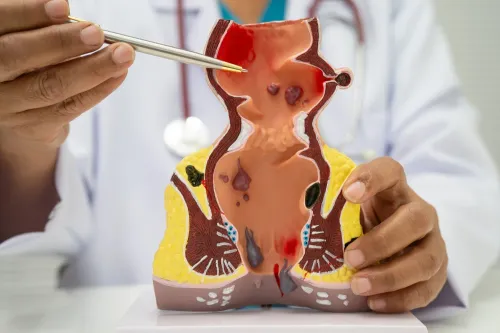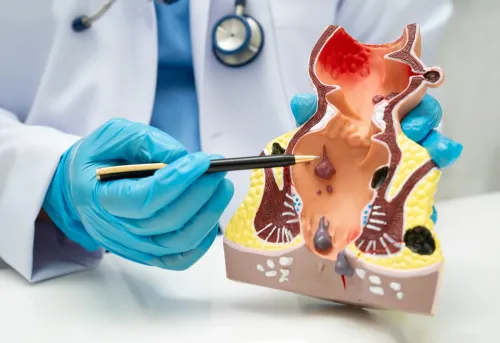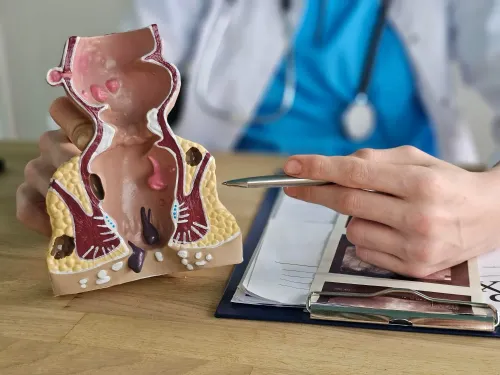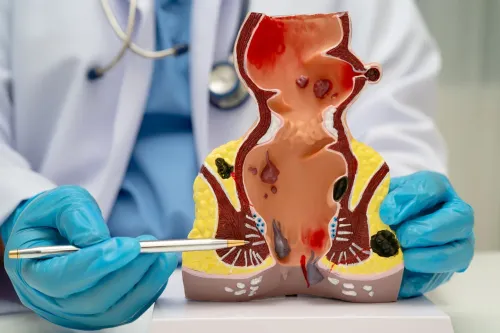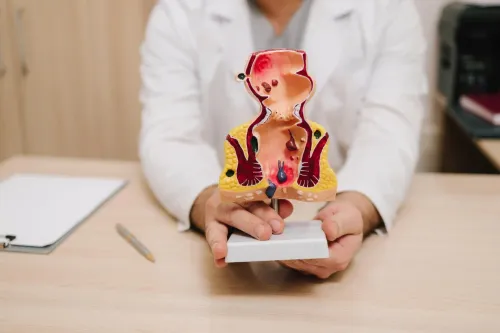
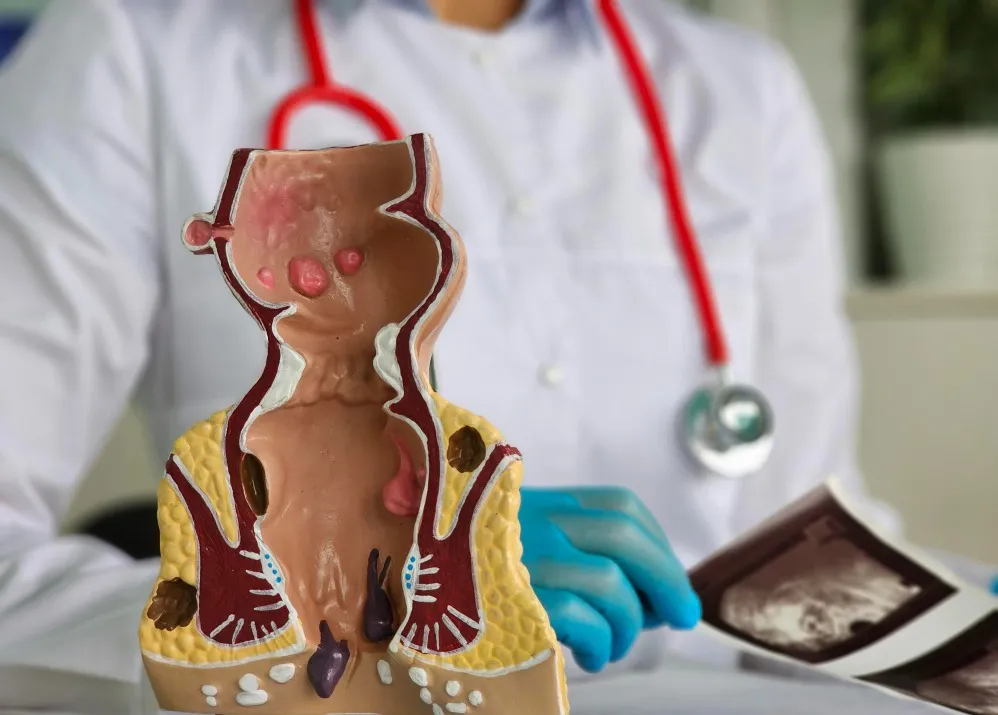
Pain, bleeding, itching, swelling, or discomfort around the anal area can be difficult to discuss, but these symptoms are relatively common and can have several possible causes. A Proctologist evaluates conditions affecting the anus and rectum, including piles, anal fissures, fistulas, abscesses, and related concerns.
For patients in Viman Nagar, Pune, understanding when symptoms deserve medical evaluation can help prevent prolonged discomfort and inappropriate self-treatment.
What Conditions Does a Proctologist Evaluate
Several anorectal conditions can produce similar symptoms. For example, bleeding during bowel movements is often associated with piles, but it should not automatically be assumed to be hemorrhoids.
A clinical evaluation may help distinguish between:
- Internal or external piles
- Anal fissure
- Anal fistula
- Perianal abscess
- Skin tags
- Rectal or anal inflammation
- Other causes of rectal bleeding or discomfort
The assessment usually begins with a discussion of symptoms, bowel habits, constipation, diet, previous episodes, medicines, and medical history. A physical examination may then be recommended. Additional investigations depend on the symptoms and clinical findings.
When Should Symptoms Be Checked
Occasional mild discomfort may settle, particularly when associated with temporary constipation. Persistent or recurring symptoms deserve greater attention.
Consider medical evaluation when there is repeated rectal bleeding, significant pain during bowel movements, a persistent lump, discharge, swelling, fever, difficulty passing stools, or symptoms that repeatedly return after home remedies.
Heavy bleeding, faintness, severe worsening pain, fever with anal swelling, or black stools can require more urgent assessment.
Treatment Depends on the Diagnosis
Seeing a Proctologist does not automatically mean undergoing surgery.
Early or uncomplicated conditions may sometimes be managed with dietary changes, adequate fluids, bowel-habit modification, medicines, stool-softening measures, or other conservative approaches.
Procedural treatment may be considered when symptoms are persistent, complications develop, or the diagnosed condition is unlikely to resolve adequately with conservative care. The appropriate procedure depends on the condition rather than simply the symptom.
Preparing for an Examination
Patients can make the consultation more useful by noting when symptoms began, whether bleeding is bright red or dark, how frequently symptoms occur, and whether constipation is present.
Bring information about current medicines, previous anorectal procedures, allergies, diabetes, blood-thinning medication, and other relevant health conditions.
There is usually no need to make major dietary changes before an initial consultation unless specifically instructed.
Recovery and Post-Treatment Care
Recovery varies considerably because proctology includes everything from conservative treatment to minimally invasive procedures and surgery.
After treatment, recommendations may include maintaining softer stools, drinking adequate fluids, avoiding unnecessary straining, following prescribed wound or hygiene instructions, taking medicines correctly, and attending follow-up appointments.
Common Questions About Proctology Care
Will every patient need an examination?
The examination required depends on the symptoms and medical history. The doctor determines what is clinically appropriate.
Does bleeding always mean piles?
No. Piles are one possible cause, but bleeding can have other explanations and persistent bleeding should be evaluated.
Can constipation make anorectal problems worse?
Hard stools and repeated straining can aggravate several anorectal conditions, including piles and fissures.
Is surgery always required?
No. Treatment depends on the diagnosis, severity, duration, and response to conservative management.
Dr. Gowri Singh provides evaluation for patients with proctological and general surgical concerns. For people in Viman Nagar experiencing persistent anorectal symptoms, obtaining a diagnosis first can help determine whether lifestyle measures, medicines, a procedure, or surgical management is appropriate.
Keywords