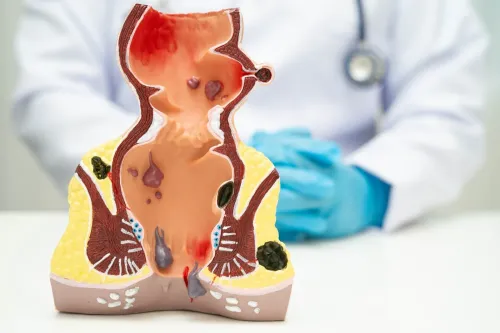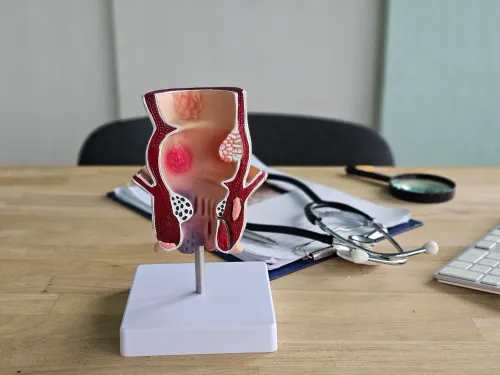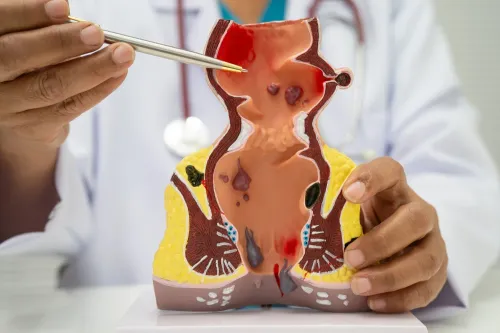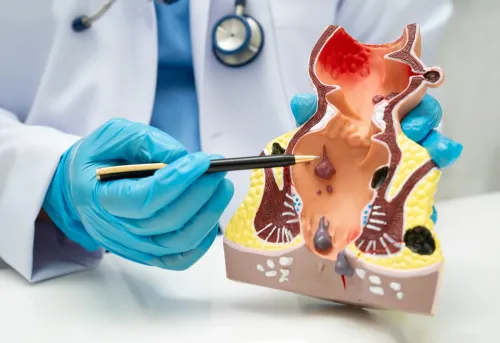
Most people experiencing piles initially look for quick relief. Home remedies, over-the-counter creams, pain-relieving ointments, and internet advice are often the first options they try. While these methods may reduce discomfort for a short time, they do not always treat the underlying condition. Understanding the difference between temporary symptom management and the Best Piles Treatment can help patients make informed decisions about their health.
Why Temporary Relief Is Not Always Enough
Early-stage piles may respond to simple lifestyle changes, but symptoms that keep returning usually indicate that the underlying problem has not been addressed. Temporary relief focuses on reducing pain, itching, or swelling, whereas proper treatment aims to identify the cause, assess the severity, and recommend the most suitable management approach.
Ignoring recurring symptoms may allow piles to progress, leading to increased discomfort, bleeding, or prolapse.
Common Temporary Remedies
Many patients begin with conservative measures before consulting a specialist. Some of these methods can be helpful when used appropriately.
Temporary relief may include:
- Warm sitz baths
- Increased water intake
- A high-fibre diet
- Stool softeners recommended by a doctor
- Prescription creams or ointments
- Avoiding excessive straining during bowel movements
Although these measures may improve mild symptoms, they should not replace a medical evaluation if the condition persists or worsens.
What Does the Best Piles Treatment Focus On?
Effective treatment is never the same for every patient. It depends on factors such as the type of piles, the stage of the disease, symptom severity, overall health, and lifestyle.
A comprehensive treatment plan generally focuses on:
- Confirming the exact diagnosis
- Determining the grade of piles
- Relieving current symptoms
- Preventing future recurrence
- Improving bowel habits
- Recommending advanced treatment only when necessary
Rather than simply masking discomfort, the goal is to address the condition in a way that provides long-term improvement.
How Doctors Decide the Right Treatment
There is no single treatment that works for everyone. After evaluating the patient's condition, a specialist may recommend one or more approaches.
Possible management options include:
- Lifestyle and dietary modifications.
- Medicines for symptom relief.
- Office-based minimally invasive procedures.
- Laser treatment in suitable cases.
- Surgical intervention for advanced piles.
The most appropriate option depends entirely on clinical findings rather than patient preference alone.
Signs You May Need More Than Home Care
Some symptoms indicate that professional medical advice should not be delayed.
These include:
- Bleeding that continues despite treatment
- Pain that interferes with daily activities
- Repeated episodes of piles
- A prolapsed pile that remains outside the anus
- Persistent swelling or irritation
- Symptoms that do not improve after lifestyle changes
Early assessment often allows treatment before complications develop.
The Importance of Long-Term Prevention
Successful treatment does not end once symptoms disappear. Maintaining healthy bowel habits plays an important role in reducing the risk of recurrence.
Patients are generally encouraged to:
- Eat fibre-rich foods every day.
- Stay well hydrated.
- Exercise regularly.
- Avoid prolonged sitting.
- Respond promptly to the urge to pass stools.
- Minimise unnecessary straining.
These habits contribute to healthier digestion and better anorectal health over time.
Making an Informed Treatment Decision
People living in Kharadi and nearby areas of Pune often balance demanding work schedules with sedentary lifestyles, irregular meals, and long commuting hours. These everyday habits can contribute to constipation, which remains one of the leading risk factors for piles. Understanding the available treatment options allows patients to seek appropriate medical care before symptoms begin affecting their quality of life.
Dr. Gowri Singh evaluates every patient individually, considering the stage of the disease, medical history, and lifestyle before recommending a personalized treatment plan. This approach ensures that patients receive care based on their specific condition rather than a standard solution.
The Best Piles Treatment is not necessarily the newest or most advanced procedure. It is the treatment that accurately addresses the underlying condition, relieves symptoms effectively, supports long-term recovery, and helps patients return to their normal routine with confidence.
Keywords