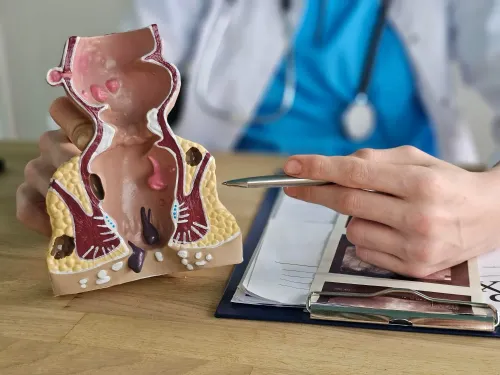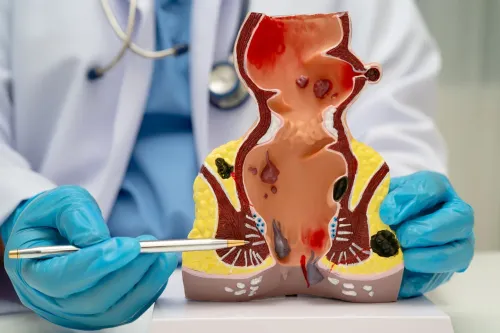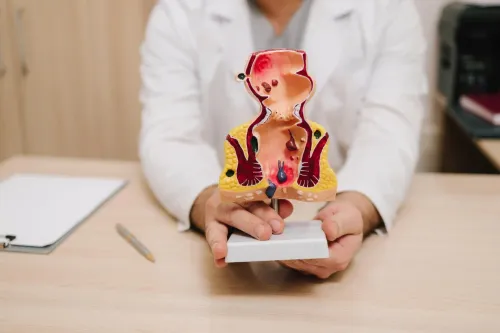
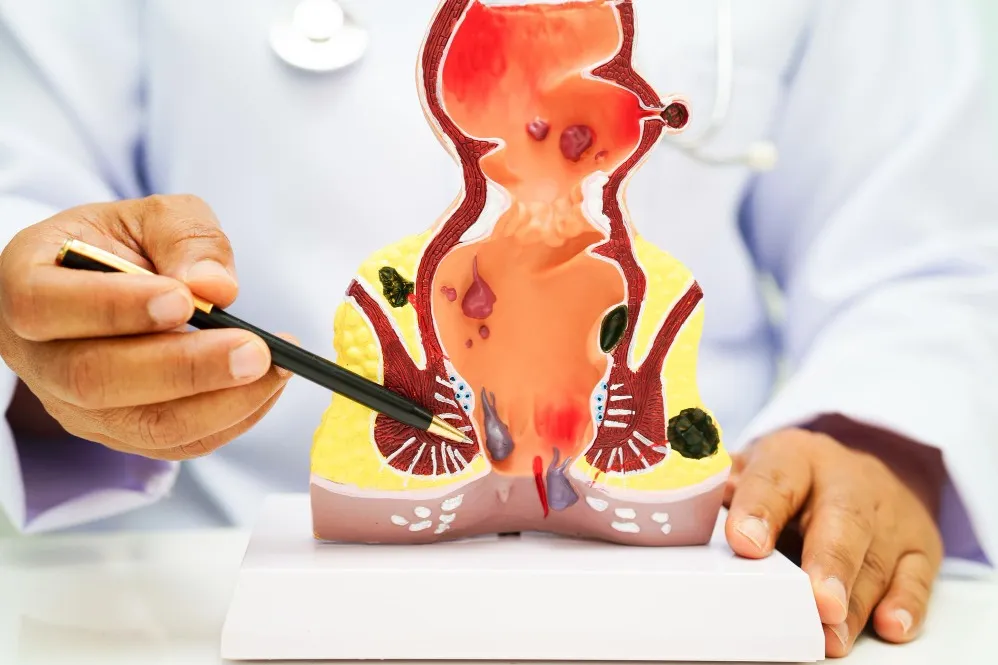
When piles begin to interfere with daily life, choosing the right healthcare facility becomes an important part of the treatment journey. Persistent bleeding, severe pain, prolapsed piles, or recurring symptoms often require specialised evaluation rather than temporary symptom relief. This is why many patients look for the Best Piles Hospital—not simply for advanced treatment, but for accurate diagnosis, comprehensive care, and long-term recovery.
A hospital that specialises in anorectal conditions provides access to experienced specialists, modern diagnostic facilities, and multiple treatment options based on the patient's individual needs.
Advanced Care Begins with an Accurate Diagnosis
Not every patient with rectal bleeding or anal discomfort has piles. Several anorectal conditions produce similar symptoms, making proper diagnosis essential before beginning treatment.
A specialist typically evaluates:
- The type and grade of piles
- Duration and severity of symptoms
- Previous medical history
- Bowel habits and lifestyle
- Existing health conditions that may influence treatment
This assessment helps determine whether conservative management, minimally invasive procedures, or surgery is the most appropriate option.
What Sets a Specialised Hospital Apart?
Patients often assume that all hospitals provide the same level of care, but specialised anorectal centres usually follow a structured treatment pathway.
Key features include:
- Comprehensive anorectal evaluation
- Experienced piles specialists
- Modern diagnostic support
- Access to minimally invasive treatment techniques
- Individualised treatment planning
- Post-treatment monitoring and follow-up
- Patient education for long-term prevention
A coordinated approach allows patients to receive complete care under one roof.
Treatment Is Based on Clinical Need
The most suitable treatment depends on the stage of the disease rather than the patient's preference alone.
After evaluation, treatment may include:
- Dietary and lifestyle modifications.
- Medicines for symptom control.
- Office-based procedures for selected cases.
- Laser treatment where clinically indicated.
- Surgical management for advanced piles.
The objective is always to recommend the least invasive option capable of providing effective and lasting relief.
Recovery Requires Continued Support
Recovery is influenced not only by the procedure performed but also by the guidance patients receive afterwards.
A structured recovery plan generally includes:
- Advice on fibre-rich nutrition
- Hydration recommendations
- Guidance on bowel habits
- Physical activity recommendations
- Follow-up examinations
- Monitoring for symptom recurrence
Consistent follow-up helps ensure proper healing and reduces the likelihood of future complications.
Factors Patients Should Consider Before Choosing a Hospital
Before beginning treatment, it is helpful to evaluate several practical aspects.
Consider whether the hospital:
- Has specialists dedicated to anorectal disorders
- Explains treatment options clearly
- Recommends procedures only when necessary
- Provides comprehensive aftercare
- Maintains patient privacy and comfort throughout treatment
These factors often contribute to greater patient confidence and better overall treatment experiences.
Receiving Specialised Care Close to Home
For residents of Viman Nagar, Kharadi, Vishrantwadi, Wadgaon Sheri, and other parts of Pune, access to specialised piles treatment allows timely medical attention without travelling long distances. Early consultation can help prevent symptoms from progressing and improve treatment outcomes.
Dr. Gowri Singh provides evaluation and treatment for patients with piles and related anorectal conditions by focusing on accurate diagnosis, evidence-based management, and personalised care. Every treatment recommendation is made after understanding the patient's symptoms, clinical findings, and overall health.
Choosing the Best Piles Hospital is ultimately about receiving the right care at the right time. A hospital that combines experienced specialists, modern treatment options, thorough diagnosis, and continued patient support enables individuals to manage piles effectively while improving their comfort, confidence, and long-term quality of life.
Keywords